
How much does dog lymphoma treatment cost?
How much does dog lymphoma treatment cost?
$3,000 – $10,000+ average total treatment cost

Dog lymphoma treatment cost
Discovering your beloved dog has lymphoma is devastating news that no pet parent ever wants to hear. You're likely feeling scared, overwhelmed, and desperate to do everything possible to help your furry family member. The good news is lymphoma is one of the most treatable cancers in dogs, and many pups respond well to therapy.
Canine lymphoma treatment costs $3,000 to $10,000 or more, depending on the protocol your vet recommends and how your dog responds. The total cost depends on type of chemotherapy drugs used, the number of treatments needed, and the diagnostic testing required.
| National Average Cost | $5,500 |
| Minimum Cost | $1,000 |
| Maximum Cost | $15,000 |
| Average Range | $3,000 to $10,000 |
What is lymphoma in dogs?
Lymphoma is one of the most common cancers in dogs, affecting the lymphatic system, a network of vessels and organs that helps fight infection. This cancer causes white blood cells called lymphocytes to multiply uncontrollably, forming tumors in lymph nodes, organs, or other tissues.
Without treatment, lymphoma progresses quickly. However, many dogs respond well to chemotherapy, giving you precious extra time together. Early detection and treatment offer the best chance for a good quality of life.
What causes lymphoma in dogs?
The exact cause of canine lymphoma isn't known, and there's no single factor to blame. Some breeds — like Golden Retrievers, Boxers, Bullmastiffs, and Basset Hounds — are more prone, suggesting genetics play a role. Age is another factor, with lymphoma most often affecting middle-aged and older dogs.
Even so, many dogs develop the disease without any obvious risk factors, making it hard to predict or prevent.
How is canine lymphoma treated?
Veterinarians have several treatment options available for dogs with lymphoma:
Chemotherapy for dogs
Chemotherapy is the most common treatment for canine lymphoma and offers the best outcomes. Unlike in humans, dogs typically tolerate chemo well with minimal side effects. Most dogs maintain their normal appetite, energy, and happiness throughout treatment. Many dogs achieve remission, living months to years beyond their diagnosis.
Chemotherapy for dogs typically involves multiple drugs given in cycles over several months. Your vet will create a treatment plan tailored to your dog's specific type of lymphoma and overall health.
Steroid treatment
Steroids like prednisone offer a more affordable alternative when chemotherapy isn't possible. Prednisone can temporarily shrink tumors and improve your dog's quality of life by reducing inflammation and stimulating appetite. This option costs much less than full chemotherapy protocols.
However, steroid-only treatment provides shorter remission periods — usually just a few months. Additionally, using steroids alone may reduce the effectiveness of chemotherapy if you later decide to pursue more aggressive treatment.
What affects the cost to treat lymphoma in dogs?
In addition to the treatment method you select, several other factors can impact the total cost of your dog's lymphoma treatment. Ask your vet about these details to help you make the right decision for your pup:
Chemotherapy drugs used
Chemotherapy drugs for lymphoma come in three different forms: oral medications, injections, and intravenous (IV) infusions:
Oral medications: Pills you give to your dog at home. Examples include prednisone, Laverdia® (verdinexor), Tanovea® (rabacfosadine), Cytoxan® (cyclophosphamide), Leukeran® (chlorambucil), lomustine (CCNU), and procarbazine.
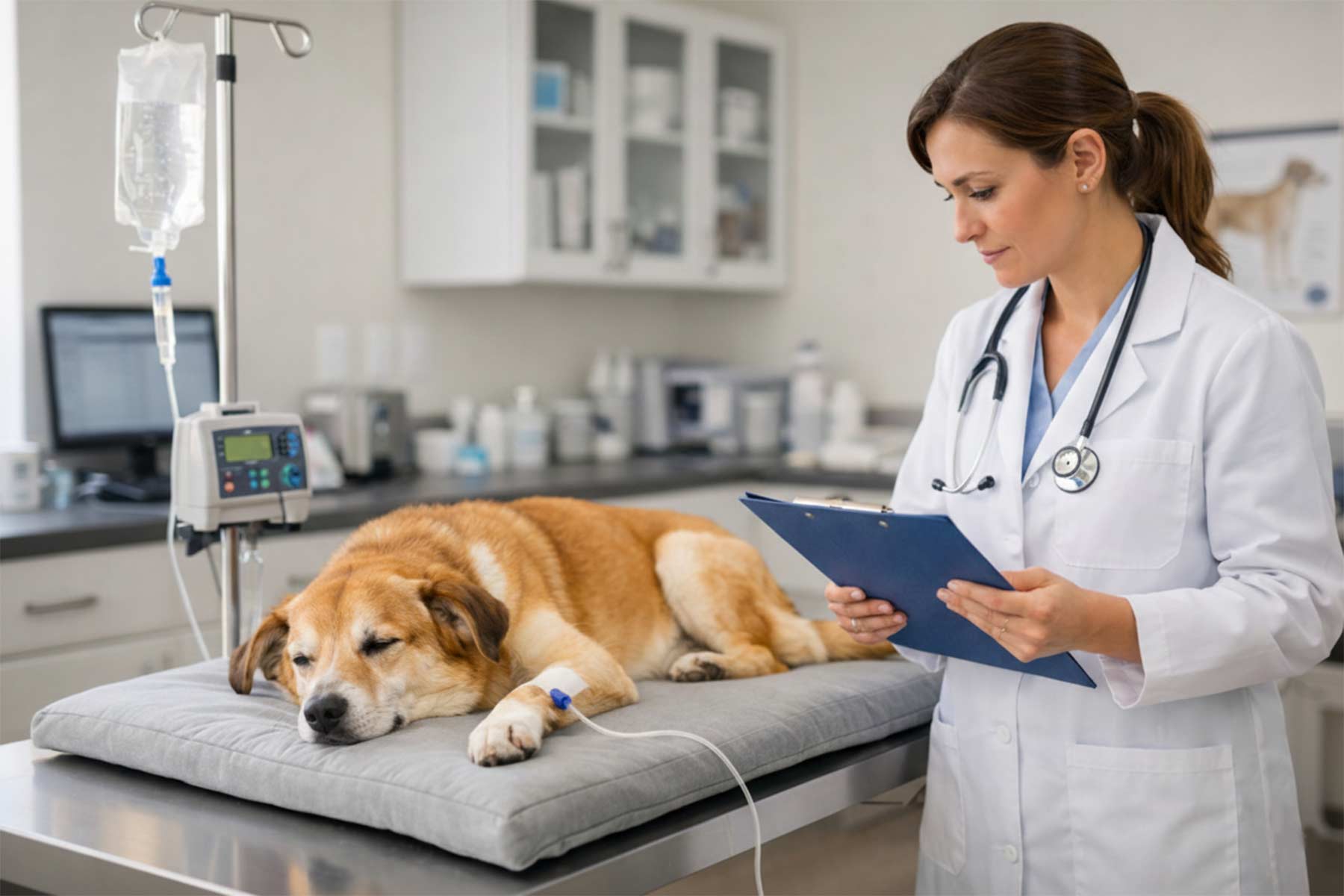
Intravenous (IV) infusions: Medications delivered directly into a vein. Examples include Adriamycin® (doxorubicin), epirubicin, mitoxantrone, Mustargen® (mechlorethamine), vinblastine, vincristine, and vinorelbine.
Injections: Medications administered into muscles or under the skin. Examples include L-asparaginase (L-spar), mitoxantrone, vinblastine, and vincristine.
Your veterinarian will recommend a combination of drugs to target the cancer in different ways and maximize the chance of remission. CHOP, a protocol that includes four different chemotherapy drugs, is considered the gold standard for treating lymphoma in dogs.
Number of chemo treatments needed
The number of chemotherapy treatments your dog needs will depend on the specific protocol used and how well your dog responds to the treatment. Canine lymphoma typically requires multiple treatments over several months.
Diagnostic tests
Your veterinarian will typically order blood work, X-rays, and a biopsy to confirm the cancer diagnosis.
Blood work for a dog costs $100 to $200.
A dog X-ray costs $150 to $250 per image.
A dog biopsy costs $300 to $900 for a punch biopsy for tissue near the surface of the skin or $1,000 to $2,500+ for a more invasive biopsy.
A fine needle aspirate (FNA) costs $50 to $300 and uses a thin needle to extract cells or fluid from a mass, lymph node, or organ.
Your vet may also order a CT scan or ultrasound to monitor the treatment:
A dog CT scan costs $1,500 to $1,500.
A dog ultrasound costs $300 to $600.
Additional medications
Your veterinarian may prescribe additional medications to manage your dog's pain and nausea and to prevent infections during chemotherapy. These medications add $25 to $100 to the total cost but greatly increase your dog's quality of life.
Canine lymphoma FAQs
How long can a dog live with lymphoma?
With chemotherapy, most dogs achieve remission and live 12 to 18 months after diagnosis. Some dogs live even longer, especially with aggressive treatment protocols. Without treatment, most dogs survive only 4 to 6 weeks from the time of diagnosis.
Is lymphoma painful in dogs?
Lymphoma itself typically doesn't cause significant pain in the early stages. Most dogs with lymphoma remain comfortable and active initially, with swollen lymph nodes being the primary visible symptom. As the disease progresses, however, discomfort can develop.
Pain may occur if tumors press on organs, obstruct the digestive tract, or spread to bones. Dogs with gastrointestinal lymphoma might experience abdominal discomfort. Your vet can prescribe pain medication to keep your dog comfortable throughout their treatment.
Does pet insurance cover canine lymphoma treatment?
Many pet insurance plans cover the cost of lymphoma treatment for dogs if the condition was not pre-existing when you enrolled. However, coverage varies by provider and plan, and some insurance providers only cover lymphoma treatment as part of an add-on policy.
Pet insurance costs $35 to $75 per month for dogs. Keep in mind, most insurance companies require you to pay your vet up front and submit a claim for reimbursement.
Questions to ask your vet about lymphoma treatment
Ask your veterinarian these questions to help you better understand the treatment options, process, and other important details:
What type of lymphoma does my dog have, and what is the typical prognosis?
Which treatment protocol do you recommend, and why is it best for my dog?
What is the expected success rate and average survival time with this treatment?
How often will my dog need to visit the clinic for treatments?
What side effects should I watch for, and how can I manage them at home?
Will my dog be able to maintain their normal activities during treatment?
What is the total estimated cost, and are payment plans available?
How will we monitor my dog's response to treatment?
What signs indicate the treatment is working or not working?
When should we consider stopping treatment or focusing on comfort care?
How can I best support my dog's quality of life during treatment?
What dietary changes or supplements might benefit my dog during chemotherapy?
How will we know if the cancer comes back after remission?
What emergency situations should prompt an immediate call or visit?
When to consider palliative care
Sometimes aggressive treatment isn't the right choice for every dog or family. Factors like your dog's age, overall health, and quality of life should guide your decision. Palliative care focuses on comfort rather than curing the disease.
If your dog isn't responding well to chemotherapy, transitioning to comfort care is a compassionate option. Your vet can provide medications to manage pain and other symptoms while allowing your dog to enjoy their remaining time.
This decision is deeply personal and never easy. Trust your instincts about your dog's quality of life. Your veterinarian can help you assess when comfort care might be more appropriate than continued aggressive treatment.
Remember that choosing palliative care doesn't mean giving up — it means prioritizing your dog's comfort and dignity. Focus on creating happy moments, keeping your pet pain-free, and ensuring they feel loved until the very end.
Using our proprietary cost database, in-depth research, and collaboration with industry experts, we deliver accurate, up-to-date pricing and insights you can trust, every time.