How much does dog physical therapy cost?
How much does dog physical therapy cost?
$58 – $250 per session
$150 – $200 per initial consultation
$600 – $3,000+ per full course of treatment

Average dog physical therapy cost
Dog physical therapy costs $58 to $250 per session, depending on the type of treatment, your location, and your dog's specific condition. An initial consultation or evaluation typically runs around $180, while follow-up therapy sessions generally cost $50 to $150 each. Most dogs need multiple sessions over several weeks or months, so total treatment costs can add up quickly.
| Service | Average Cost |
|---|---|
| Initial consultation/evaluation | $150 – $200 |
| Individual therapy session | $58 – $250 |
| Hydrotherapy (underwater treadmill or swimming) | $50 – $150 |
| Laser therapy | $40 – $100 |
| Acupuncture | $75 – $200 |
| Therapeutic massage | $50 – $120 |
| Therapeutic ultrasound | $40 – $100 |
| Full course of treatment (8 to 16 sessions) | $600 – $3,000+ |
The wide price range reflects differences in treatment complexity, geographic location, and whether you visit a specialty rehabilitation clinic or a general veterinary practice. Dogs recovering from major orthopedic surgery will typically require more sessions than those managing mild arthritis.
Types of physical therapy for dogs
Canine physical therapy encompasses a range of treatment methods, each targeting specific aspects of recovery and mobility. Your veterinarian or certified rehabilitation specialist will recommend one or a combination of therapies based on your dog's individual needs.
| Therapy Type | Purpose | Typical Cost per Session |
|---|---|---|
| Hydrotherapy | Low-impact muscle building, joint support | $50 – $150 |
| Therapeutic exercises | Strength, balance, coordination | $50 – $120 |
| Laser therapy (photobiomodulation) | Pain reduction, tissue repair | $40 – $100 |
| Acupuncture | Pain relief, increased blood flow | $75 – $200 |
| Therapeutic massage | Muscle relaxation, circulation | $50 – $120 |
| Therapeutic ultrasound | Scar tissue breakdown, pain relief | $40 – $100 |
| Electrical stimulation (TENS/NMES) | Pain management, muscle activation | $40 – $90 |
| Extracorporeal shockwave therapy | Tissue healing, blood flow improvement | $100 – $250 |
Hydrotherapy
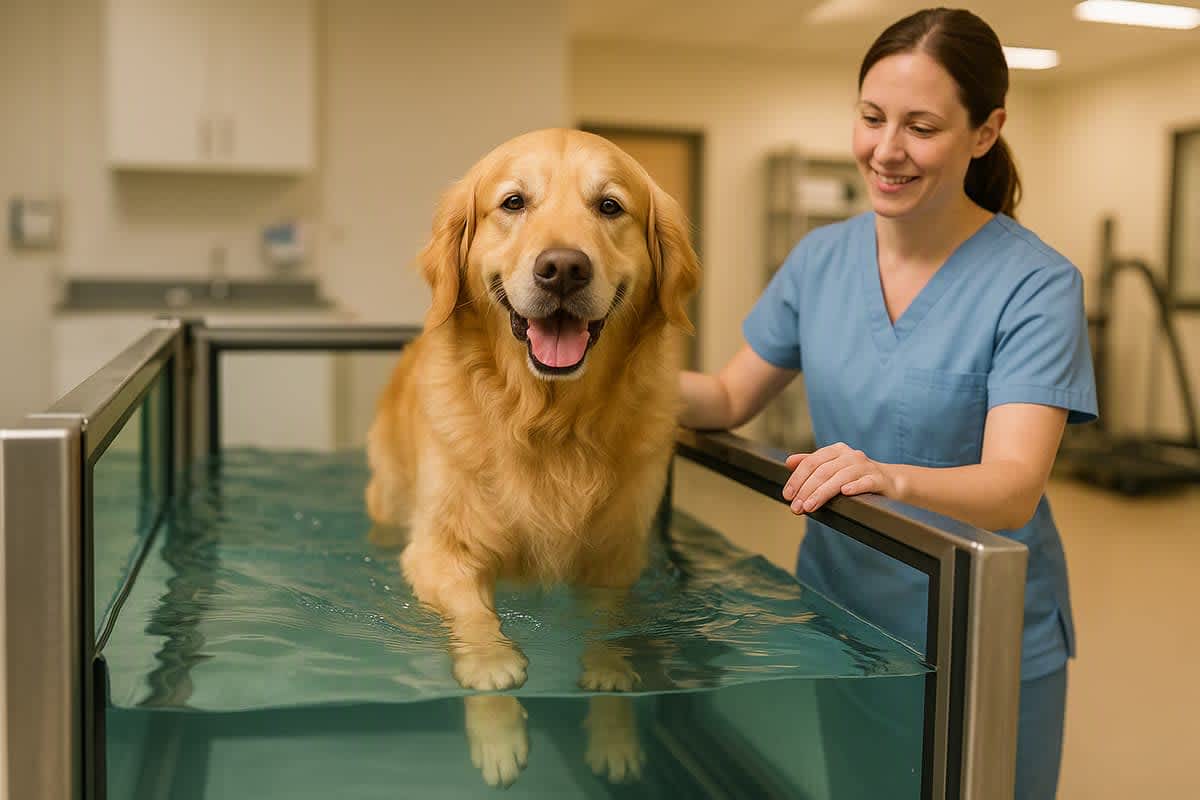
Hydrotherapy is one of the most popular and effective forms of canine rehabilitation. It includes underwater treadmill sessions and swimming pool exercises. The water's buoyancy reduces stress on joints, while its resistance helps rebuild muscle strength.
Underwater treadmills allow therapists to control water depth, speed, and duration precisely. This makes hydrotherapy especially beneficial for dogs recovering from orthopedic surgery, managing arthritis, or dealing with neurological conditions that affect mobility.
Therapeutic exercises
Therapeutic exercises are tailored activities that improve a dog's strength, flexibility, balance, and coordination. These may include sit-to-stand repetitions, balance work on wobble boards or fitness platforms, cavaletti rail walking, and guided stretching.
A rehabilitation specialist will often teach pet owners some of these exercises to continue at home between clinic visits. However, you should never attempt exercises without veterinary guidance, as incorrect technique could cause further injury.
Laser therapy
Laser therapy uses infrared light to stimulate blood flow, reduce inflammation, and promote tissue repair at a cellular level. Sessions are painless, typically lasting 10 to 20 minutes. This treatment is commonly used for arthritis management, wound healing, and post-surgical recovery.
Acupuncture
Veterinary acupuncture involves inserting fine needles into specific points on your dog's body to stimulate a physiologic response. Benefits can include increased blood flow, decreased pain, and muscle relaxation. Some practitioners use electroacupuncture, which sends mild electrical impulses through the needles for enhanced effect.
Manual therapy and massage
Manual therapy includes hands-on techniques like massage, joint mobilization, and passive range-of-motion exercises. Therapists flex and extend joints through their full range of motion to prevent stiffness and maintain flexibility. This approach is particularly common after orthopedic surgeries.
Therapeutic massage focuses on relaxing muscles, improving circulation, relieving pain, and enhancing overall mobility. It can be used as a standalone treatment or as part of a broader rehabilitation plan.
Other treatment modalities
Several additional therapies may be part of a comprehensive rehabilitation plan:
- Therapeutic ultrasound: Uses high-frequency sound waves to generate heat within tissues, improving blood flow, breaking down scar tissue, and increasing muscle flexibility.
- Electrical stimulation (TENS/NMES): Delivers low-level electrical currents to reduce pain, stimulate muscle contractions, and prevent muscle atrophy.
- Extracorporeal shockwave therapy (ESWT): Uses high-energy sound waves to accelerate healing at the cellular level, improve blood flow, and provide pain relief.
- Thermotherapy: Applies cold or heat to tissues. Cold therapy reduces inflammation and pain after surgery or injury, while heat therapy increases blood flow and promotes muscle relaxation.
- Veterinary spinal manipulative therapy (VSMT): Similar to chiropractic care in humans, this technique restores and maintains the relationship between the spinal column and the nervous system.
- Assistive devices: Orthotics, braces, prosthetics, and carts may support healing, correct deformities, or provide long-term mobility assistance for partially or fully paralyzed dogs.
Factors that affect dog physical therapy cost
Several variables determine what you'll ultimately pay for your dog's physical therapy. Understanding these factors can help you budget and plan for treatment more effectively.
| Factor | Impact on Cost |
|---|---|
| Type of therapy | Specialized treatments like ESWT cost more than basic exercises |
| Number of sessions | More sessions mean higher total costs; plans range from 4 to 20+ sessions |
| Condition severity | Complex injuries or surgeries require longer, more intensive treatment |
| Geographic location | Urban areas and higher cost-of-living regions charge more |
| Facility type | Specialty rehab clinics and veterinary teaching hospitals may charge differently than general practices |
| Dog size and behavior | Larger or difficult-to-handle dogs may require more staff time |
| Therapist credentials | Board-certified rehabilitation specialists may charge higher fees |
Number and frequency of sessions
The total number of sessions has the biggest impact on overall cost. A mild soft tissue injury might require 4 to 6 sessions, while post-surgical recovery from a CCL repair could need 12 to 20 sessions over several months. Most dogs attend therapy 1 to 3 times per week, with frequency decreasing as they improve.
Condition severity
Dogs recovering from major orthopedic surgery, dealing with neurological conditions, or managing advanced arthritis typically require more intensive and longer treatment plans. These cases often involve multiple therapy types combined into a multimodal approach, which increases overall cost but generally produces better outcomes.
Geographic location
Where you live significantly affects pricing. Clinics in metropolitan areas like New York, Los Angeles, or San Francisco tend to charge higher fees than those in smaller cities or rural areas. If cost is a concern, consider looking at clinics in neighboring towns where overhead costs may be lower.
Dog size and behavior
Larger dogs may require additional staff or equipment adjustments during therapy, which can increase session costs. Dogs that are anxious, aggressive, or difficult to handle may also need longer sessions or extra personnel, adding to the expense.
Common conditions treated with physical therapy
Canine physical therapy is used to treat a wide range of musculoskeletal, neurological, and general health conditions. Your veterinarian may recommend rehabilitation as a primary treatment or as part of a broader recovery plan.
| Category | Conditions |
|---|---|
| Orthopedic | CCL tears, hip dysplasia, elbow dysplasia, fractures, patellar luxation, osteochondritis dissecans |
| Neurological | Intervertebral disc disease (IVDD), degenerative myelopathy, vestibular disease, spinal cord injuries |
| Post-surgical | ACL/CCL repair, femoral head ostectomy (FHO), fracture repairs, TPLO surgery |
| Chronic | Osteoarthritis, chronic pain, obesity |
| Performance | Sports injuries, tendon injuries, conditioning for canine athletes |
Post-surgical rehabilitation
Physical therapy after surgery is one of the most common reasons dogs are referred for rehabilitation. Procedures like cranial cruciate ligament (CCL) repair, TPLO surgery, femoral head ostectomy, and fracture repairs all benefit from structured recovery plans. Therapy helps restore range of motion, rebuild muscle mass, and reduce the risk of complications.
Arthritis and chronic pain
Osteoarthritis is one of the most widespread conditions affecting older dogs. Physical therapy can slow the disease's progression, reduce pain, and maintain mobility without relying solely on medication. A combination of hydrotherapy, laser therapy, massage, and therapeutic exercises is commonly used for arthritic patients. Some veterinarians may also recommend Librela injections as part of a comprehensive pain management plan.
Neurological conditions
Dogs with intervertebral disc disease (IVDD), degenerative myelopathy, or other spinal cord conditions can benefit significantly from rehabilitation. Therapy focuses on maintaining or rebuilding muscle strength, improving coordination, and supporting mobility for as long as possible. In severe IVDD cases, spinal surgery may be required before rehabilitation can begin.
Never look up exercises online and attempt them on your dog without veterinary guidance. Performing physical therapy techniques incorrectly could worsen your dog's condition or cause new injuries. Always follow the specific plan created by your certified rehabilitation specialist.
Benefits of physical therapy for dogs
Physical therapy offers dogs a range of benefits that go beyond simple pain relief. When performed by qualified professionals, rehabilitation can significantly improve your dog's quality of life and long-term health outcomes.
| Benefit | Details |
|---|---|
| Faster recovery | Dogs recovering from surgery or injury often heal more quickly with structured rehab |
| Pain reduction | Multiple therapy types work together to manage pain without over-relying on medication |
| Improved mobility | Exercises and treatments restore range of motion and functional movement |
| Muscle rebuilding | Targeted exercises prevent atrophy and restore muscle mass after injury or surgery |
| Weight management | Low-impact exercises help overweight dogs lose weight safely |
| Better quality of life | Dogs gain independence, comfort, and improved overall well-being |
One of the greatest advantages of canine rehabilitation is the multimodal approach. Combining several therapy types, such as hydrotherapy with laser therapy and therapeutic exercises, often produces better pain control and outcomes than any single treatment alone.
For senior dogs, regular physical therapy sessions can help maintain strength and flexibility, slowing the decline associated with aging and keeping them active and comfortable for longer.
Does pet insurance cover physical therapy?
Many pet insurance plans cover physical therapy when it is prescribed by a veterinarian to treat an eligible accident or illness. However, coverage varies significantly between providers and plan types, so reviewing your policy's details before starting treatment is essential.
| Coverage Aspect | Details |
|---|---|
| Accident and illness plans | Often cover physical therapy related to covered conditions |
| Wellness plans | Typically do not cover physical therapy |
| Pre-existing conditions | Generally excluded from coverage |
| Alternative therapies add-on | Some plans offer riders covering acupuncture, chiropractic, and rehab |
If your dog is diagnosed with a condition that requires physical therapy, contact your insurance provider before beginning treatment. Ask about coverage limits, whether pre-authorization is required, and which specific therapy types are included. Some policies cover hydrotherapy and laser therapy but exclude acupuncture or massage.
Other payment options
If you don't have pet insurance or your plan doesn't cover rehabilitation, there are several other ways to manage costs:
- Veterinary financing: Programs like CareCredit and Scratchpay allow you to spread payments over time, sometimes with interest-free promotional periods.
- Package deals: Many rehabilitation clinics offer bundled session pricing that reduces the per-visit cost.
- At-home exercises: Your therapist can teach you exercises to perform between clinic visits, reducing the total number of in-clinic sessions needed.
- Veterinary teaching hospitals: University-affiliated clinics may offer rehabilitation services at reduced rates while providing high-quality care.
Finding a qualified canine rehabilitation therapist
Choosing the right therapist is critical to your dog's recovery. Not all veterinary professionals have specialized training in rehabilitation, so it's important to look for specific credentials.
| Credential | Meaning |
|---|---|
| CCRT (Certified Canine Rehabilitation Therapist) | Completed a certified program in canine rehabilitation |
| CCRP (Certified Canine Rehabilitation Practitioner) | Certification from the University of Tennessee program |
| Diplomate ACVSMR | Board-certified specialist in veterinary sports medicine and rehabilitation |
| CVA (Certified Veterinary Acupuncturist) | Certified to perform veterinary acupuncture |
Look for veterinarians or veterinary technicians who hold certifications like CCRT, CCRP, or board certification through the American College of Veterinary Sports Medicine and Rehabilitation (ACVSMR). These professionals have completed rigorous training in developing and implementing rehabilitation treatment plans.
Physical therapy for dogs can be performed at specialty rehabilitation clinics, veterinary teaching hospitals, and some private veterinary practices. When evaluating a facility, ask about available equipment (underwater treadmill, therapeutic laser), the therapist's experience with your dog's specific condition, and what a typical treatment plan looks like.
What to expect at the first visit
Your dog's first rehabilitation appointment will typically include a comprehensive evaluation. The therapist will review your dog's medical history, assess their current mobility and pain levels, measure muscle mass and joint range of motion, and observe how they walk.
Based on this evaluation, the therapist will create a personalized treatment plan outlining the recommended therapy types, session frequency, estimated duration of treatment, and goals for recovery. This is also a good time to ask about expected costs and payment options.
Frequently asked questions
How many physical therapy sessions will my dog need?
The number of sessions depends on your dog's condition. Minor injuries may require 4 to 6 sessions, while recovery from major surgery could take 12 to 20 sessions over several months. Chronic conditions like arthritis may benefit from ongoing maintenance sessions every few weeks.
Is physical therapy worth it for dogs?
Physical therapy can significantly improve recovery times, reduce pain, and restore mobility for dogs dealing with injuries, surgeries, or chronic conditions. Dogs who receive structured rehabilitation often achieve better functional outcomes than those who recover without it. For many pet owners, the investment leads to a noticeable improvement in their dog's quality of life.
Can I do physical therapy on my dog at home?
Some exercises can be performed at home, but only under the direction of a certified rehabilitation professional. Your therapist may teach you specific stretches, range-of-motion exercises, or strengthening activities to do between clinic visits. Never attempt exercises or techniques without proper guidance, as improper form could cause additional injury.
How long does each session last?
Sessions typically last 30 to 60 minutes, depending on the type of therapy and your dog's condition. Initial evaluations tend to be longer, around 60 to 90 minutes, while follow-up sessions are usually shorter.
Is there an age limit for canine physical therapy?
There is no age limit. Puppies can benefit from foundational exercises and confidence building, adult dogs may need rehabilitation after injury or surgery, and senior dogs can maintain strength and flexibility through ongoing therapy. The treatment plan is always tailored to your dog's age, condition, and individual needs.
Does physical therapy work for cats too?
Yes. Cats can also benefit from physical therapy, though treatments are adapted for their smaller size and different temperament. Common therapies for cats include specialized gentle exercises, cold therapy, electrical stimulation, and slow manual therapy. Cat physical therapy sessions typically cost $35 to $95.