How much does a feline leukemia test cost?
How much does a feline leukemia test cost?
$17 – $30 average cost for at-home test kit
$40 – $80 average cost at a veterinary office

Feline leukemia test cost
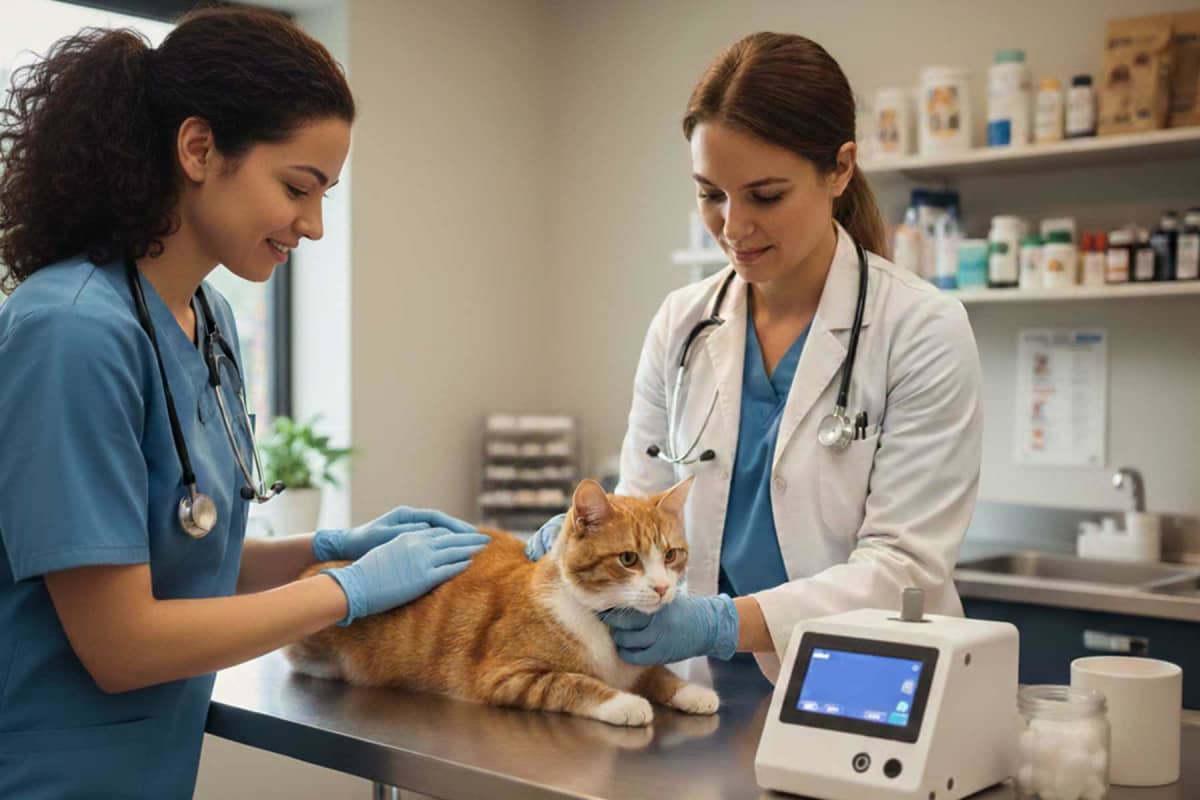
A feline leukemia test costs $17 to $30 if you purchase an at-home kit or $40 to $80 on average at a veterinarian's office, not including fees for a physical exam or other services during the visit. Many vets recommend testing all new cats, outdoor cats, and any cat showing signs of illness.
The FIV/FeLV test screens for two serious feline viruses at once: feline immunodeficiency virus (FIV) and feline leukemia virus (FeLV).
| Test type / Provider | Average cost |
|---|---|
| At-home test kit | $17 – $30 |
| Veterinary office | $40 – $80* |
*Test cost only; not including fees for an office visit and physical exam
What is feline leukemia?
Feline Leukemia Virus (FeLV) is one of the most common infectious diseases in cats. This retrovirus weakens your cat's immune system, making them vulnerable to secondary infections and certain cancers.
FeLV affects cats differently depending on their age and health. Kittens and young cats are most susceptible to infection. Adult cats with strong immune systems may fight off the virus, while others become infected.
The virus attacks white blood cells and bone marrow. Over time, this damage prevents your cat's body from fighting off diseases it would normally handle easily.
How do you test for feline leukemia?
Veterinarians use a simple blood test to detect FeLV. The test checks for viral proteins in your cat's bloodstream and provides results within minutes at most clinics.
At-home test kits work similarly to clinic tests. You collect a small blood sample from your cat's ear or paw pad and apply it to the test device, and results appear in about 10 minutes. Even if you test at home, you should still discuss the results with your vet.
If the initial test shows positive, your vet may recommend a second test for confirmation. Some cats test positive for FeLV initially but successfully eliminate the virus within weeks. Retesting after 60 days confirms whether the infection is persistent.
When to test your cat for feline leukemia
Veterinarians recommend FeLV testing for all kittens and newly adopted cats regardless of age. This establishes a baseline health status before introducing them to your home or other pets.
Test your cat if they've had potential exposure to infected cats. Outdoor cats, cats from shelters, and those who've been in fights should be screened. Any cat showing signs of illness should also be tested.
How do cats get feline leukemia?
Feline leukemia spreads through close contact between cats. The virus passes through saliva, nasal secretions, urine, feces, and milk from nursing mothers.
Common ways cats transmit the virus include:
Mutual grooming
Sharing food and water bowls
Bite wounds from fighting
Mother to kittens during pregnancy or nursing
Sneezing and nose-to-nose contact
Indoor cats have much lower risk than outdoor cats. Multi-cat households have higher transmission rates if one cat tests positive.
How can I protect my cat from feline leukemia?
Vaccination is the most effective way to prevent your cat from contracting the feline leukemia virus. The FeLV vaccine costs $50 to $90 total for the two-dose series. Veterinarians also recommend keeping your cat indoors to limit their exposure to infected cats.
Is feline leukemia treatable?
No cure exists for feline leukemia, but many infected cats live quality lives with proper care. Treatment focuses on managing symptoms and preventing secondary infections rather than eliminating the virus.
Your veterinarian may prescribe medications to boost your cat's immune system. Antiviral drugs can help some cats, though they don't work for every cat.
Infected cats need a stress-free indoor environment. Good nutrition, parasite prevention, and prompt treatment of any illness help them stay healthy longer. Some cats with FeLV live for several years with attentive care.
What are the first signs of feline leukemia?
Early feline leukemia infections often show no symptoms. As the virus progresses, you may notice subtle changes in your cat's health and behavior.
Watch for these common signs:
Loss of appetite and weight loss
Poor coat condition or unkempt fur
Pale or inflamed gums
Lethargy and weakness
Enlarged lymph nodes
Persistent fever
Breathing difficulties
Recurring infections (respiratory, skin, or urinary)
Diarrhea or vomiting
Eye inflammation or discharge
Some cats develop anemia, which causes pale gums and low energy. Others experience chronic infections that don't respond well to treatment. Any persistent health issue warrants a vet visit.
The importance of spaying or neutering FeLV-positive cats
All FeLV-positive cats should be spayed or neutered. This prevents transmission of the virus to kittens through pregnancy or mating behaviors.
Intact cats are more likely to roam and fight, increasing exposure risk for other cats. The stress of mating behaviors can also weaken an infected cat's immune system.
Many veterinarians safely perform these procedures on FeLV-positive cats. Discuss the timing and any special precautions with your vet to ensure the best outcome for your cat's health.
Feline leukemia FAQs
Can a cat with feline leukemia live with other cats?
Keeping FeLV-positive cats separate from uninfected cats is safest. The virus spreads easily through daily interactions like grooming and sharing bowls. Some households successfully manage both positive and negative cats with strict separation. This requires separate rooms, food bowls, litter boxes, and no direct contact.
If you have multiple cats and one tests positive, talk with your vet about isolation. Vaccinated cats have some protection, but the vaccine isn't 100% effective. Many experts recommend FeLV-positive cats live as only cats.
How long can a cat live with feline leukemia?
Life expectancy varies widely among FeLV-positive cats. Some live only a few months after diagnosis, while others survive for years with good care.
Most infected cats live about 3 years after diagnosis. The lifespan depends on the cat's age at infection, overall health, and quality of care. Cats infected as adults may live longer than those infected as kittens. Cats kept indoors in low-stress environments tend to live longer than those facing additional health challenges.
Is feline leukemia contagious to humans?
No, feline leukemia cannot spread from cats to humans. This virus only infects cats and doesn't pose any health risk to people or other animals. You can safely handle, pet, and care for FeLV-positive cats without worry. The virus cannot survive outside a cat's body for more than a few hours in typical household conditions.
Questions to ask your vet about feline leukemia
Ask your veterinarian these questions to ensure you understand the reason for the feline leukemia test and the next steps if the test result is positive:
Why do you recommend testing my cat for FeLV?
What does a positive test result mean for my cat's health?
Should we do a second test for confirmation if the first result is positive?
What's the life expectancy for cats with this diagnosis?
How often should my FeLV-positive cat have checkups?
What symptoms should I watch for at home?
Should I test my other cats if one tests positive?
What's the best diet for a cat with FeLV?
Are there any medications that can help manage the infection?
Should my cat receive any specific vaccines or avoid certain vaccines?
How can I prevent my FeLV-positive cat from getting secondary infections?
Should I keep my FeLV-positive cat indoors exclusively?
Can my infected cat ever safely interact with other cats?
What signs indicate my cat's condition is worsening?
Using our proprietary cost database, in-depth research, and collaboration with industry experts, we deliver accurate, up-to-date pricing and insights you can trust, every time.