
How much does a dog blood transfusion cost?
How much does a dog blood transfusion cost?
$1,500 – $3,000 average total cost

Average dog blood transfusion cost
A dog blood transfusion costs $1,500 to $3,000 on average. The total cost depends on your location, the veterinary provider, the type and amount of blood needed, and whether your dog requires emergency care or an extended hospital stay.
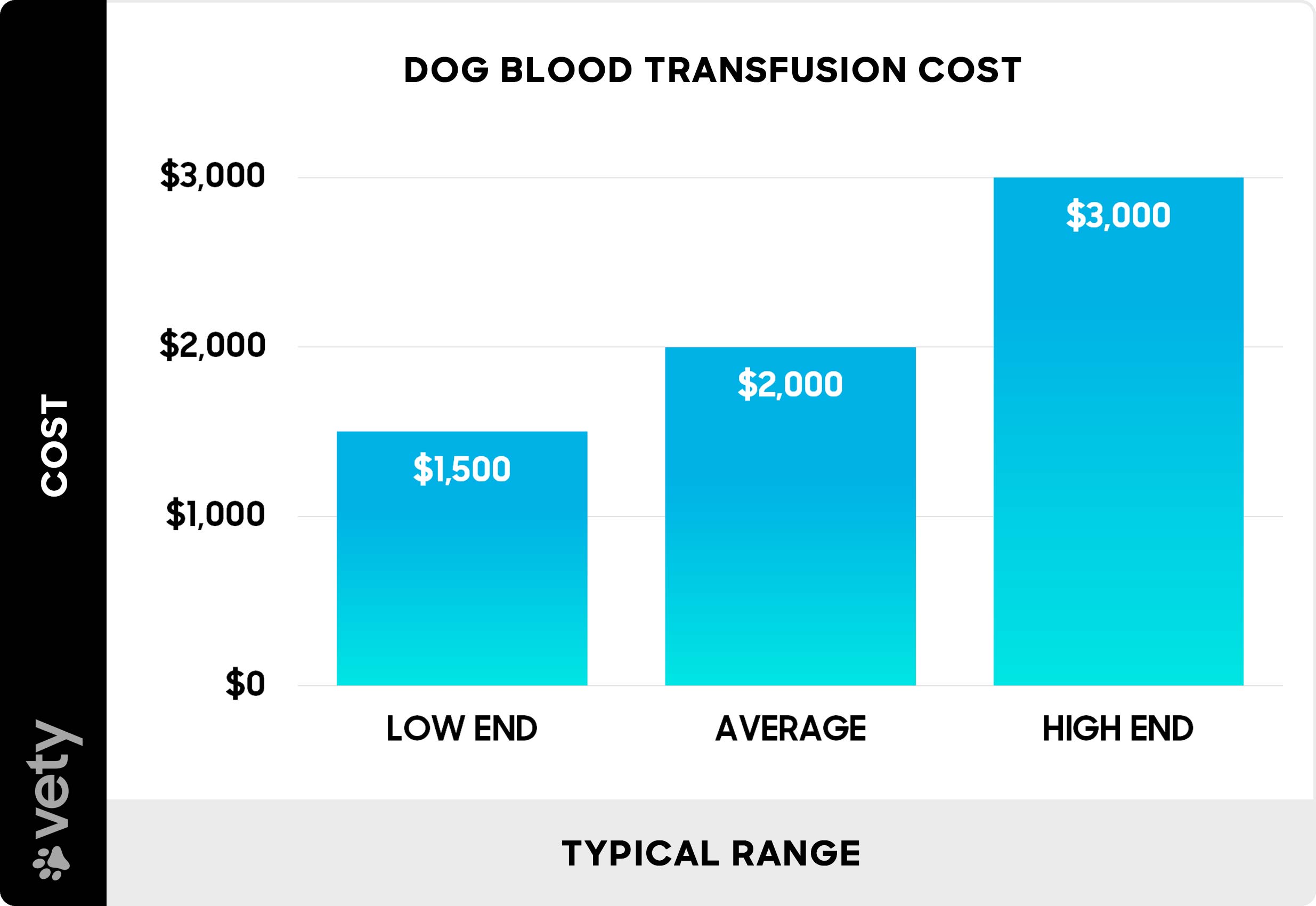
| National Average Cost | $2,000 |
| Minimum Cost | $1,200 |
| Maximum Cost | $6,000 |
| Average Range | $1,500 to $3,000 |
What is a dog blood transfusion?
A dog blood transfusion is a life-saving medical procedure where blood from a healthy donor dog is transferred to a dog in need. This treatment replaces lost blood, improves oxygen delivery throughout the body, and helps restore vital blood components like red blood cells, platelets, and clotting factors.
The procedure typically takes 1 to 4 hours and requires careful monitoring by veterinary professionals. Your vet will match blood types when possible and watch for any adverse reactions during and after the transfusion.
Why would a dog need a blood transfusion?
Dogs may need blood transfusions for various medical emergencies and conditions:
Trauma: Severe injuries from accidents, dog fights, or other trauma can cause significant blood loss requiring immediate transfusion to stabilize your pet.
Surgery: Major surgical procedures, especially emergency operations or those involving organs with high blood flow, may result in blood loss that necessitates a transfusion.
Anemia: Severe anemia from diseases like immune-mediated hemolytic anemia (IMHA), parasites, or chronic kidney disease can deplete red blood cells to dangerously low levels.
Bleeding disorders: Conditions like hemophilia, Von Willebrand disease, or rat poisoning ingestion prevent proper blood clotting and can lead to life-threatening bleeding.
Cancer: Certain cancers, particularly those affecting the blood or causing internal bleeding like hemangiosarcoma, often require transfusions as part of treatment.
Other diseases: Severe infections, kidney disease, tick-borne diseases like ehrlichiosis, and autoimmune disorders can destroy red blood cells and require blood replacement therapy.
Postpartum bleeding: New mother dogs may experience excessive bleeding after giving birth, particularly with large litters or complicated deliveries.
Do dogs have blood types?
Dogs have several blood types, known as Dog Erythrocyte Antigens (DEA), with DEA 1 being the most significant for transfusions. Today, veterinarians recognize at least seven major dog blood groups, including DEA 1, 3, 4, 5, 6, 7, and 8.
DEA 1 is especially important because dogs that are DEA 1 negative can develop antibodies if given DEA 1 positive blood. This can lead to dangerous reactions if a dog requires future transfusions. DEA 4 is considered a universal donor type and is commonly present in most dogs.
Other blood types, like Dal and Kai-1/Kai-2, have also been identified and can play a role in transfusion compatibility, especially in certain breeds.
Blood typing and careful matching help ensure dogs receive the safest transfusions possible.
What affects the cost of a dog blood transfusion?
Several factors influence canine blood transfusion costs, including the blood type, amount required, complexity of the procedure, and more:
Blood type & amount needed: Blood typing and crossmatching add to the cost. Costs also increase for larger dogs or trauma cases requiring more blood units.
Complexity of the procedure: Emergency transfusions requiring immediate intervention and intensive monitoring cost more than planned transfusions. Multiple transfusions over several days significantly increase expenses.
Hospital stay & additional care needed: Overnight hospitalization for monitoring can add $500 to $1,000 or more to your bill. Critical care with oxygen therapy, IV fluids, and continuous supervision increases costs substantially.
Diagnostic tests: Pre-transfusion blood work and additional imaging or specialized tests may be necessary, adding to the total cost. A dog blood test costs $100 to $200+.
Veterinary provider: General practice veterinarians usually charge less than emergency animal hospitals or veterinary specialists. Emergency facilities have higher overhead costs but provide 24/7 care when needed.
Location: Prices for veterinary care vary significantly between different cities and states. Costs are typically highest in urban areas and regions with higher costs of living.
Does pet insurance cover blood transfusions?
Most comprehensive pet insurance policies cover blood transfusions when they're medically necessary to treat an illness or injury. Coverage typically includes the transfusion itself, hospitalization, and related diagnostic tests.
However, coverage depends on your specific policy, deductible, and reimbursement level. Most policies exclude pre-existing conditions, so it's important to enroll your dog in pet insurance before they develop health problems. Always review your policy details and contact your insurance provider to confirm coverage before the procedure.
Dog blood transfusion FAQs
What are the risks of a dog blood transfusion?
While blood transfusions are generally safe, risks include reactions where the immune system attacks the donor blood, causing fever, vomiting, difficulty breathing, or collapse. Other risks include infection, circulatory overload if too much fluid is given too quickly, and delayed reactions occurring days or weeks after the procedure.
Careful blood typing, crossmatching, and close monitoring during the transfusion can help to minimize these risks. Your veterinarian will watch your dog closely for any signs of complications and intervene immediately if problems arise.
What are the side effects of a dog blood transfusion?
Mild side effects may include slight fever, lethargy, or decreased appetite in the hours following a transfusion. These usually resolve on their own within 24 hours and don't require treatment.
More serious side effects like difficulty breathing, rapid heart rate, weakness, pale gums, or vomiting require immediate veterinary attention.
Where does dog blood for infusions come from?
Dog blood comes from three main sources: in-house donor dogs maintained by veterinary hospitals, community donor programs where pet owners volunteer their healthy dogs, and commercial animal blood banks that collect and distribute canine blood products.
Many veterinary hospitals offer free exams or credits toward services for owners who allow their dogs to donate blood regularly.
Questions to ask your veterinarian
Ask your veterinarian these important questions to ensure you understand the procedure, the reasons for it, and the risks involved:
Why does my dog need a blood transfusion, and what would happen without it?
Is there an alternative treatment option, and how does it compare to transfusion?
Will you perform blood typing and crossmatching before the transfusion?
How many units of blood will my dog need?
Do you have donor blood readily available, or will there be a delay?
How long will the transfusion take?
What are the specific risks for my dog given their condition and medical history?
How will you monitor my dog during and after the transfusion?
Will my dog need to stay overnight?
What is the total estimated cost including all care?
What signs of complications should I watch for at home after the transfusion?
Will my dog need follow-up blood work or additional transfusions?
When to seek emergency care
Seek immediate veterinary attention if your dog shows signs of severe blood loss or anemia, including extreme lethargy, pale or white gums, rapid breathing or panting at rest, collapse, inability to stand, or cold extremities.
Time is critical in these situations. Don't wait to see if your dog improves on their own, as severe anemia and blood loss can be fatal within hours. Emergency veterinary hospitals are equipped to perform rapid assessment and begin transfusions quickly when every minute counts.
Using our proprietary cost database, in-depth research, and collaboration with industry experts, we deliver accurate, up-to-date pricing and insights you can trust, every time.