How much does fresh dog food cost?
How much does fresh dog food cost?
$80 – $500 average cost per month

Fresh dog food cost
Fresh dog food costs $80 to $500 per month, depending on your dog's size, age, and activity level. Prices also depend on the brand, protein choices, and whether you choose a full or partial meal plan. Most fresh dog food companies offer 40% to 60% discounts on your first month of meal deliveries.
| Dog size | Average cost per month |
|---|---|
| Small breed | $80 – $175 |
| Medium breed | $125 – $320 |
| Large breed | $260 – $500 |
What is fresh dog food?
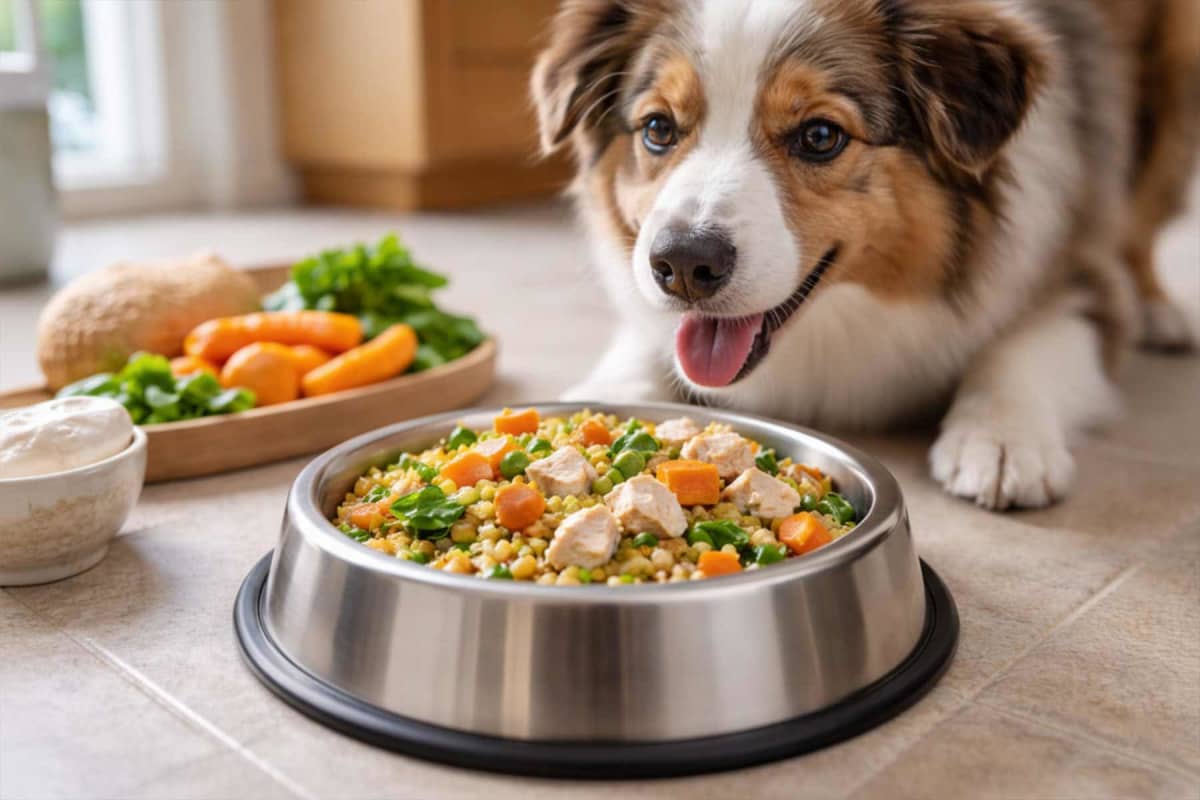
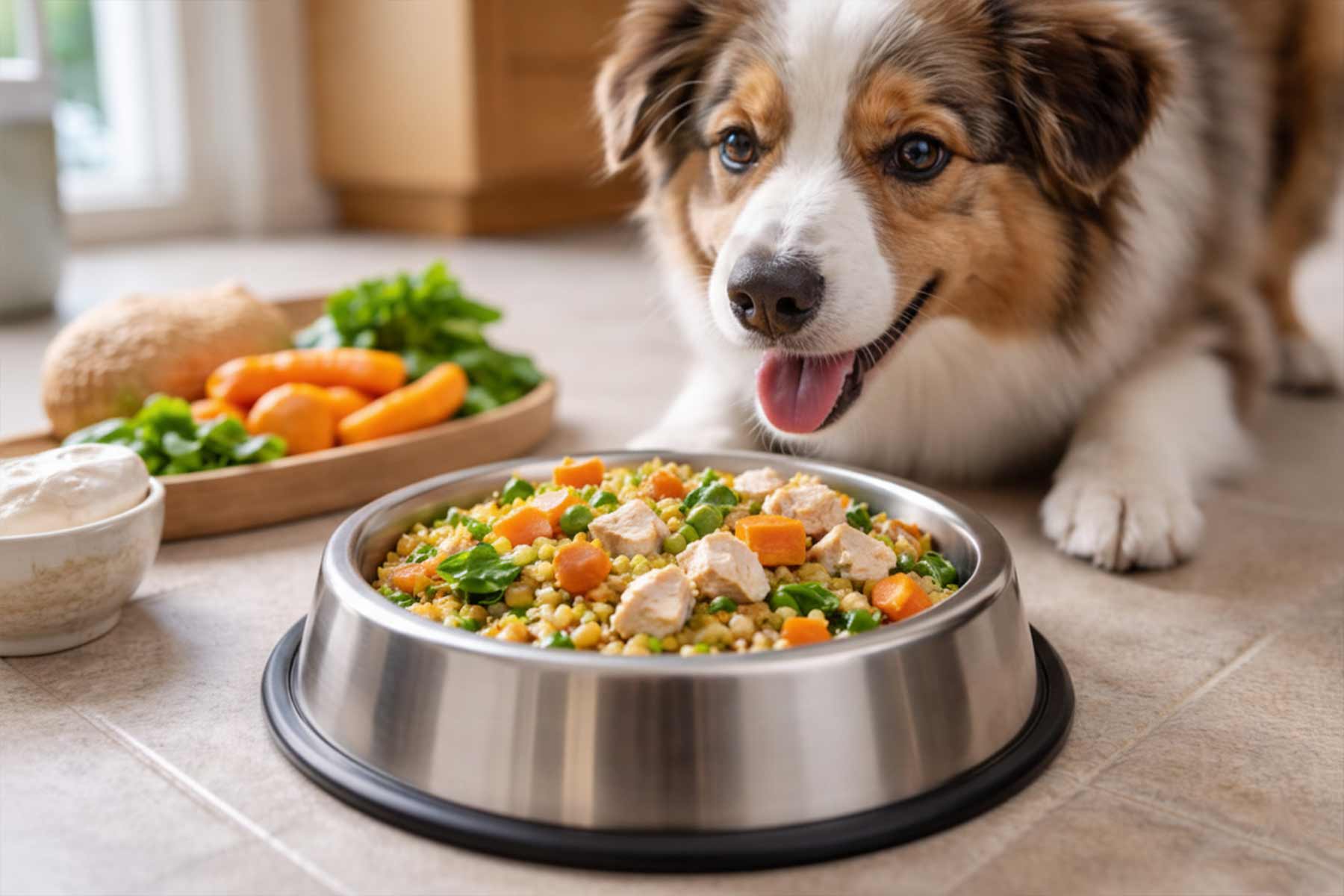
Fresh dog food is made with whole, human-grade ingredients that are gently cooked to preserve nutrients. It contains real proteins like chicken, beef, or turkey, along with vegetables, grains, and essential vitamins. The ingredients are minimally processed to maintain their natural nutritional value.
These meals arrive refrigerated or frozen at your door on a subscription basis. Most brands use recipes created by veterinary nutritionists to ensure complete and balanced nutrition for your dog.
Fresh dog food price comparison
Fresh dog food prices vary significantly depending on the brand and your dog's size. Each brand offers a variety of protein choices, recipes, and subscription options. The table below shows the cost per month for popular brands.
| Brand | Small breed (per month) |
Medium breed (per month) |
Large breed (per month) |
|---|---|---|---|
| Ollie | $105 – $150 | $220 – $240 | $300 – $330 |
| The Farmer's Dog | $80 – $150 | $120 – $320 | $260 – $500 |
| Nom Nom | $145 – $175 | $195 – $225 | $390 – $420 |
What affects the cost of fresh dog food?
Several factors influence how much you'll pay for fresh dog food:
Dog size: Larger dogs need more food, which directly increases your monthly costs. A Great Dane will require significantly more meals than a Chihuahua, sometimes tripling or quadrupling the expense.
Dog's activity level: Active dogs burn more calories and need larger portions. Working dogs, frequent hikers, and high-energy breeds will eat more than couch-potato pups, raising your monthly bill.
Puppy vs. adult dog: Puppies require more calories per pound of body weight to support their rapid growth. You'll pay more during the puppy stage, but costs decrease once your dog reaches adulthood.
Spayed / neutered: Fixed dogs typically have lower metabolic rates and need fewer calories. This can reduce your monthly food costs by 10% to 25% compared to intact dogs of the same size.
Pet food brand: Premium brands with exotic proteins or organic ingredients cost more. Budget-friendly options use conventional ingredients, while luxury brands might feature wild-caught fish or grass-fed meats.
Protein choices: Beef and lamb typically cost more than chicken or turkey. Fish-based recipes often fall in the mid-range, while novel proteins like venison or duck cost the most.
Full vs. partial plan: A full plan replaces all your dog's meals with fresh food. Partial plans allow you to mix fresh food with your dog's usual kibble, cutting costs while still providing health benefits.
How to save money on fresh dog food
Start with promotional offers. Most fresh dog food companies provide 40% to 60% off your first order. Take advantage of these deals to test multiple brands without breaking the bank. Watch for seasonal promotions, referral discounts, and loyalty rewards programs.
Consider a partial meal plan where fresh food supplements kibble rather than replacing it entirely. This approach gives you many of the health benefits at roughly half the cost.
Some companies offer bulk discounts. If you have multiple dogs, family plans may provide additional savings.
FAQs about fresh dog food
What is the best fresh dog food?
The best fresh dog food depends on your dog's individual needs, sensitivities, and taste preferences. The Farmer's Dog consistently ranks highly for quality, affordability, and customer satisfaction. Ollie receives praise for its variety of protein options and flexible meal plans. Nom Nom stands out for pre-portioned convenience and detailed nutritional information.
Look for brands that use AAFCO-approved recipes, source high-quality ingredients, and employ veterinary nutritionists.
Is fresh dog food better than kibble?
Fresh dog food offers some advantages over kibble, including higher moisture content, fewer preservatives, and more recognizable ingredients. Many dogs show improved digestion, shinier coats, and increased energy on fresh food diets.
However, kibble isn't necessarily bad. Many high-quality kibble brands provide complete nutrition at a fraction of the cost. The best option depends on your budget, your dog's health needs, and your lifestyle. Dry dog food costs $25 to $125 per month, depending on your dog's size.
Can you freeze fresh dog food?
Yes, you can freeze fresh dog food for up to six months. Most fresh dog food delivery services ship their meals frozen to maintain freshness during transit.
Store meals in your freezer and thaw them in the refrigerator 24 hours before serving. Once thawed, fresh dog food typically stays good in the refrigerator for 4 to 7 days. Always check the specific brand's guidelines, as recommendations can vary. Never refreeze food that's already been thawed as this can compromise food safety.
Questions to ask your veterinarian
Ask your vet these important questions to help you choose the best fresh dog food for your pet:
Does my dog have any specific dietary restrictions or health conditions that would benefit from fresh food?
What protein sources would you recommend based on my dog's age, breed, and activity level?
Are there any ingredients I should specifically look for or avoid in fresh dog food formulas?
How many calories does my dog specifically need per day to maintain a healthy weight?
Would a full fresh food plan or a partial plan be more appropriate for my dog's needs?
Should I transition to fresh food gradually, and if so, what's the best timeline?
How can I tell if my dog is thriving on a fresh food diet versus showing signs of nutritional imbalance?
Are there any supplements I should add to ensure my dog receives complete nutrition?
Using our proprietary cost database, in-depth research, and collaboration with industry experts, we deliver accurate, up-to-date pricing and insights you can trust, every time.