
How much Benadryl can I give my dog?
How much Benadryl can I give my dog?

Benadryl dosage for dogs
When your furry friend starts scratching excessively or shows signs of an allergic reaction, you might wonder if that bottle of Benadryl in your medicine cabinet could help. The good news is that Benadryl can be safe for dogs under proper guidance, but correct dosing and awareness of risks are critical for your pet's safety and wellbeing.
This guide will walk you through everything you need to know about giving Benadryl to your dog, from proper dosing to side effects and potential risks.
IMPORTANT: Always consult your veterinarian before giving your dog Benadryl or any medication, especially if your dog has existing health conditions or takes other medications.
What is Benadryl, and how does it work in dogs?
Benadryl is the brand name for diphenhydramine, an antihistamine that blocks H-1 receptors in the body from reacting to histamine. When your dog encounters an allergen, their body releases histamine, which causes symptoms like itching, swelling, and inflammation. Benadryl works by preventing these histamine receptors from triggering these uncomfortable reactions.
Beyond its antihistamine properties, Benadryl can also help reduce motion-related nausea and vomiting. This makes it useful for dogs experiencing motion sickness during car rides. However, veterinary antiemetics like maropitant (Cerenia) tend to work better.
Research shows Benadryl's effectiveness for dog allergies is variable; it can help mild histamine-related itching in some dogs but is generally less effective for chronic allergic dermatitis.
Benadryl dosage for dogs
The veterinary-recommended Benadryl dosage for dogs is 2 to 4 mg per kilogram of body weight, or 0.9 to 1.8 mg per pound. Many pet-care guides simplify this to 1 mg per pound since it's easy to remember and falls within the recommended range. However, always verify the dosage with your veterinarian, especially for small dogs or dogs with health issues.
Below is a quick reference chart to help you determine the appropriate Benadryl dose for your dog based on the 1 mg per pound guideline and when using standard 25 mg Benadryl tablets.
| Dog's weight (pounds) | Recommended dosage* (based on 1 mg per lb.) |
Tablet amount (25 mg) |
|---|---|---|
| 5 | 5 mg | 1/5 tablet |
| 10 | 10 mg | 1/2 tablet |
| 20 | 20 mg | ¾ – 1 tablet |
| 30 | 30 mg | 1¼ tablets |
| 40 | 40 mg | 1½ – 2 tablets |
| 50 | 50 mg | 2 tablets |
| 75 | 75 mg | 3 tablets |
| 100 | 100 mg | 4 tablets |
*These are rough guidelines and do not replace veterinary dosing recommendations.
You can repeat this dose every eight to 8 to 12 hours as needed, but do not exceed three doses in 24 hours.
WARNING: The maximum dosage should not be exceeded, and you should always verify the correct dose with your veterinarian before administering any medication.
How much liquid Benadryl can I give my dog?
Liquid Benadryl can be particularly useful for small dogs or pets that resist taking pills. You can mix the liquid with a small amount of food or administer it directly into your dog's mouth. However, calculating the correct dose requires careful attention to the concentration of the liquid formula.
Children's liquid Benadryl typically contains 12.5 mg of diphenhydramine per 5 ml (which equals 2.5 mg per ml). To calculate how much liquid Benadryl to give your dog based on the "1 mg per pound guideline", divide your dog's weight in pounds by 2.5.
| Dog's weight | Liquid dose (12.5 mg/5 ml) |
|---|---|
| 10 pounds | 4 ml |
| 20 pounds | 8 ml |
| 30 pounds | 12 ml |
| 40 pounds | 16 ml |
| 50 pounds | 20 ml |
*These are rough guidelines and do not replace veterinary dosing recommendations.
For very small dogs weighing less than 10 pounds, liquid Benadryl or children's chewable tablets (which contain 12.5 mg each) are often the best options because they allow for more precise dosing.
For larger dogs over 10 pounds, tablets are typically more practical since the volume of liquid required becomes quite large.
IMPORTANT: Since the veterinary range can be up to 1.8 mg per pound, double-check the desired mg dose before converting to ml. Always use an accurate syringe or dropper, not a household spoon.
What forms of Benadryl are safe for dogs?
Benadryl comes in several forms, and choosing the right one is important for your dog's safety.
Safe options:
Plain Benadryl tablets (25 mg or 50 mg)
Benadryl capsules
Children's chewable Benadryl (12.5 mg, plain)
Children's liquid Benadryl (plain diphenhydramine, without additives)
What to avoid
Never give your dog Benadryl formulations that contain additional ingredients. Always check the label and make sure diphenhydramine is the only active ingredient. Specifically avoid products that contain:
Decongestants (like pseudoephedrine or phenylephrine) which are toxic to dogs
Acetaminophen (Tylenol)
Ibuprofen or other NSAIDs
Xylitol (an artificial sweetener that's extremely poisonous to dogs)
Alcohol
Time-release or extended-release formulations
Always read the label and ensure diphenhydramine is the only active ingredient.
Generic versions of Benadryl containing only diphenhydramine are just as effective as brand-name options and often cost less.
When to give your dog Benadryl
Benadryl can help dogs experiencing various conditions, though it's most effective for mild allergic reactions. Situations where your veterinarian might recommend Benadryl include:
Allergic reactions: Benadryl can provide relief from mild seasonal allergies, environmental allergies, and reactions to insect bites or stings. It may help reduce symptoms like itching, redness, hives, swelling, sneezing, and watery eyes. However, it's most effective when used in combination with other allergy treatments like medicated shampoos or supplements.
Motion sickness: While not as effective as prescription medications like Cerenia, Benadryl can help prevent nausea and vomiting in dogs prone to car sickness. The drowsiness it causes may also help anxious dogs relax during travel.
Pre-treatment for vaccines: Some veterinarians recommend giving Benadryl before vaccinations for dogs that have shown sensitivity to vaccines in the past, helping prevent mild allergic reactions.
Mast cell tumors: For dogs with mast cell tumors, Benadryl can help manage the histamine release from these cells, particularly during and after surgical removal.
When Benadryl is NOT the answer for your dog
While Benadryl has its uses, it's not appropriate for every situation. Understanding when not to use this medication is just as important as knowing when to use it!
Severe allergic reactions: If your dog shows signs of a serious allergic reaction with facial swelling, difficulty breathing, or collapse, skip the Benadryl and rush them to the emergency vet immediately. These life-threatening reactions require aggressive treatment with steroids and epinephrine.
Anxiety: Despite popular belief, Benadryl is not a reliable anxiety medication. While sedation may occur, it does not address the underlying causes of anxiety and in some dogs may lead to paradoxical excitation or agitation instead. Talk to your vet about behavioral training, environmental changes, or prescription anti-anxiety medications instead.
Certain health conditions: Dogs with the following conditions should not take Benadryl without veterinary supervision:
Heart disease or cardiovascular conditions
Glaucoma
Urinary retention or prostatic disease
Seizure disorders
Respiratory conditions
Kidney or liver disease
Pregnancy
Drug interactions: Benadryl can interact dangerously with certain medications, including monoamine oxidase inhibitors (MAOIs) and some antifungal drugs. Always tell your vet about any medications or supplements your dog takes.
Benadryl side effects and overdose symptoms
At normal doses, Benadryl is generally well-tolerated, but all dogs can experience side effects. It's important to monitor your dog after giving them Benadryl and know when to seek veterinary care.
| Side effect category | Symptoms | Action needed |
|---|---|---|
| Common |
|
Monitor your dog; these usually resolve on their own. |
| Less common |
|
Contact your veterinarian if symptoms persist or worsen. |
| Overdose symptoms |
|
Emergency – contact your veterinarian or animal poison control immediately. |
If you think your dog has ingested too much Benadryl, contact your veterinarian or an animal poison control center immediately. The ASPCA Animal Poison Control hotline is 1-888-426-4435.
How often can you give your dog Benadryl?
You can give your dog Benadryl every 8 to 12 hours, which typically means 2 to 3 times per day. Space the doses evenly throughout the day to maintain consistent relief from symptoms. Never exceed three doses in a 24-hour period.
For short-term use (a few days), following this schedule is generally safe for most dogs. However, if your dog needs Benadryl for longer than a few days, consult your veterinarian to discuss whether continued use is appropriate or if alternative treatments should be considered.
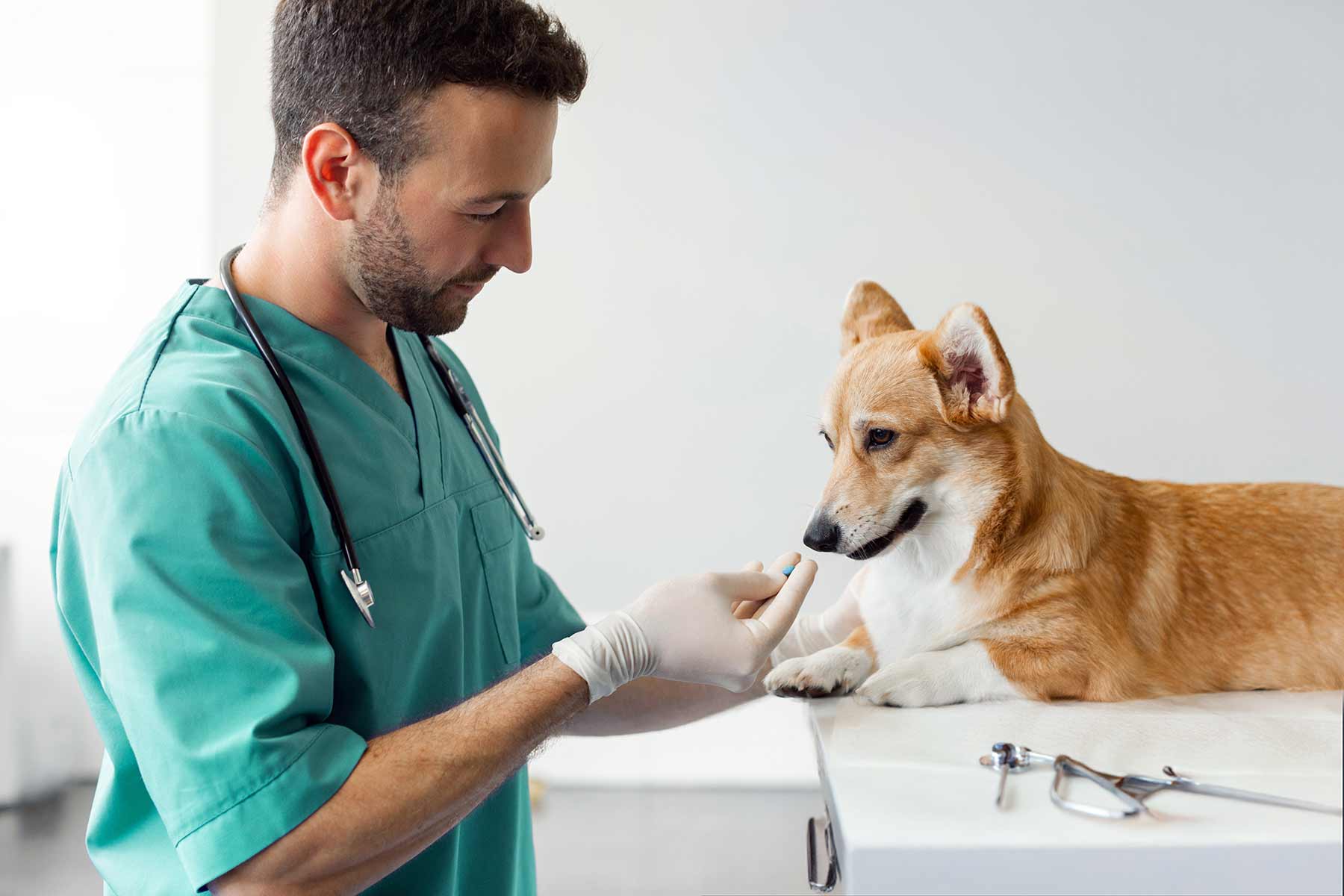
Better alternatives to Benadryl for dogs
While Benadryl has been used for decades, newer treatments have proven more effective for managing dog allergies and other conditions. Your veterinarian might recommend:
For allergies: A combined treatment plan including medicated shampoos, omega-3 supplements, prescription antihistamines (like Apoquel or Cytopoint injections), and environmental management often works better than Benadryl alone.
For anxiety: Prescription anti-anxiety medications combined with behavioral modification programs are far more effective than Benadryl. Your vet might suggest medications like trazodone, gabapentin, or alprazolam, along with techniques like desensitization training.
For motion sickness: Cerenia (maropitant) is specifically designed to prevent nausea and vomiting in dogs and is significantly more effective than Benadryl for this purpose.
How to give Benadryl to your dog safely
Making medication time easier benefits both you and your pet:
Hide tablets in a tasty treat like peanut butter (xylitol-free), cheese, or a pill pocket.
Split larger tablets in half if needed to achieve the correct dose.
Use a measuring syringe for liquid formulations to ensure accuracy.
Mix liquid Benadryl with a small amount of wet food if your dog resists taking it directly.
Give Benadryl with food if your dog experiences stomach upset.
Keep a record of when you give doses to avoid accidental double-dosing.
While it can be helpful for your pup in some cases, Benadryl isn't a cure-all solution, and many dogs benefit more from alternative treatments. Always consult your veterinarian before giving your dog any medication. They can evaluate your dog's specific symptoms, rule out more serious conditions, confirm if Benadryl is appropriate, and provide personalized dosing instructions.
Using our proprietary cost database, in-depth research, and collaboration with industry experts, we deliver accurate, up-to-date pricing and insights you can trust, every time.