How much does cat asthma treatment cost?
How much does cat asthma treatment cost?
$250 – $1,000 initial diagnostic cost

Cat asthma treatment cost
Cat asthma treatment costs vary widely depending on the severity of your cat's condition and the treatment approach. On average, you can expect to spend $250 to $1,000 for the initial diagnosis, with ongoing costs ranging from $20 to $200 per month for cat asthma medication and management.
| Expense | Average cost |
|---|---|
| Initial veterinary exam | $50 – $250 |
| Diagnostic testing (X-rays, bloodwork) | $250 – $500+ |
| Cat asthma inhaler cost (initial setup) | $200 – $350 |
| Monthly medication (inhalers/pills) | $20 – $150+ |
| Emergency treatment | $500 – $3,500 |
| Follow-up visits | $40 – $80+ per visit |
Can cats have asthma?
Yes, cats can have asthma. Feline asthma is a chronic respiratory condition that affects approximately 1% to 5% of cats, making it one of the most common respiratory diseases in our feline companions.
This condition causes inflammation and narrowing of the airways in your cat's lungs, leading to breathing difficulties that can range from mild to life-threatening. Just like human asthma, cat asthma can be managed effectively with proper treatment and environmental controls.
What affects the cost of cat asthma treatment?
Several factors affect the cost of treating cat asthma, including the initial diagnostics, the severity and frequency of symptoms, ongoing medication, potential emergency expenses, and more.
Diagnostic costs
Diagnosing asthma requires ruling out other respiratory conditions, which involves several tests.
Cat chest X-rays cost $150 to $250+ and are essential for examining your cat's lungs.
Cat bloodwork costs range from $100 to $200+ to check for infections, parasites, or other underlying issues.
Heartworm, fecal, and allergy testing increase your vet visit cost further but are important for ruling out conditions with symptoms that mimic asthma.
In complex cases, your vet may recommend a bronchoscopy with airway sampling, which can cost $500 to $800+. While these initial costs can seem high, accurate diagnosis prevents you from spending money on ineffective treatments for misdiagnosed conditions.
Types of treatment
Cat asthma medication costs vary depending on the type of treatment your cat needs. Treatment may include inhaled, oral, or injectable medications. The dosage and frequency will depend on your cat's weight and the severity of their symptoms.
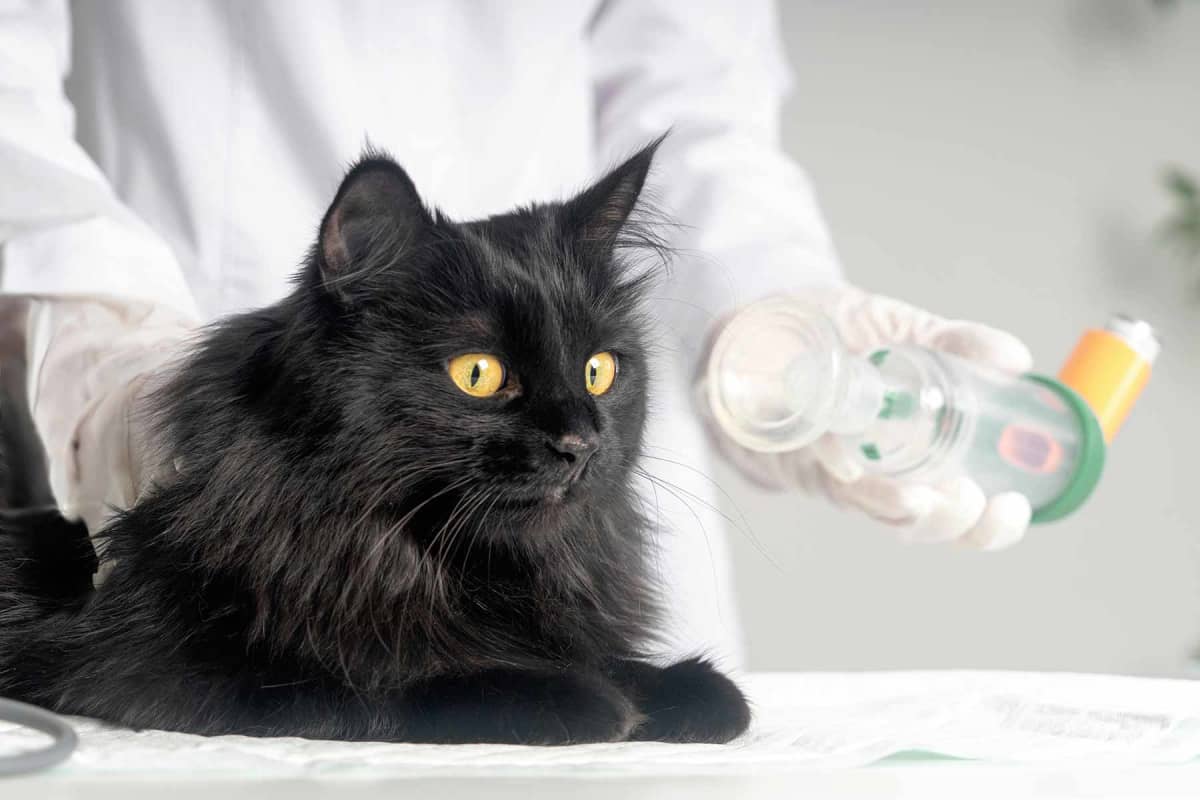
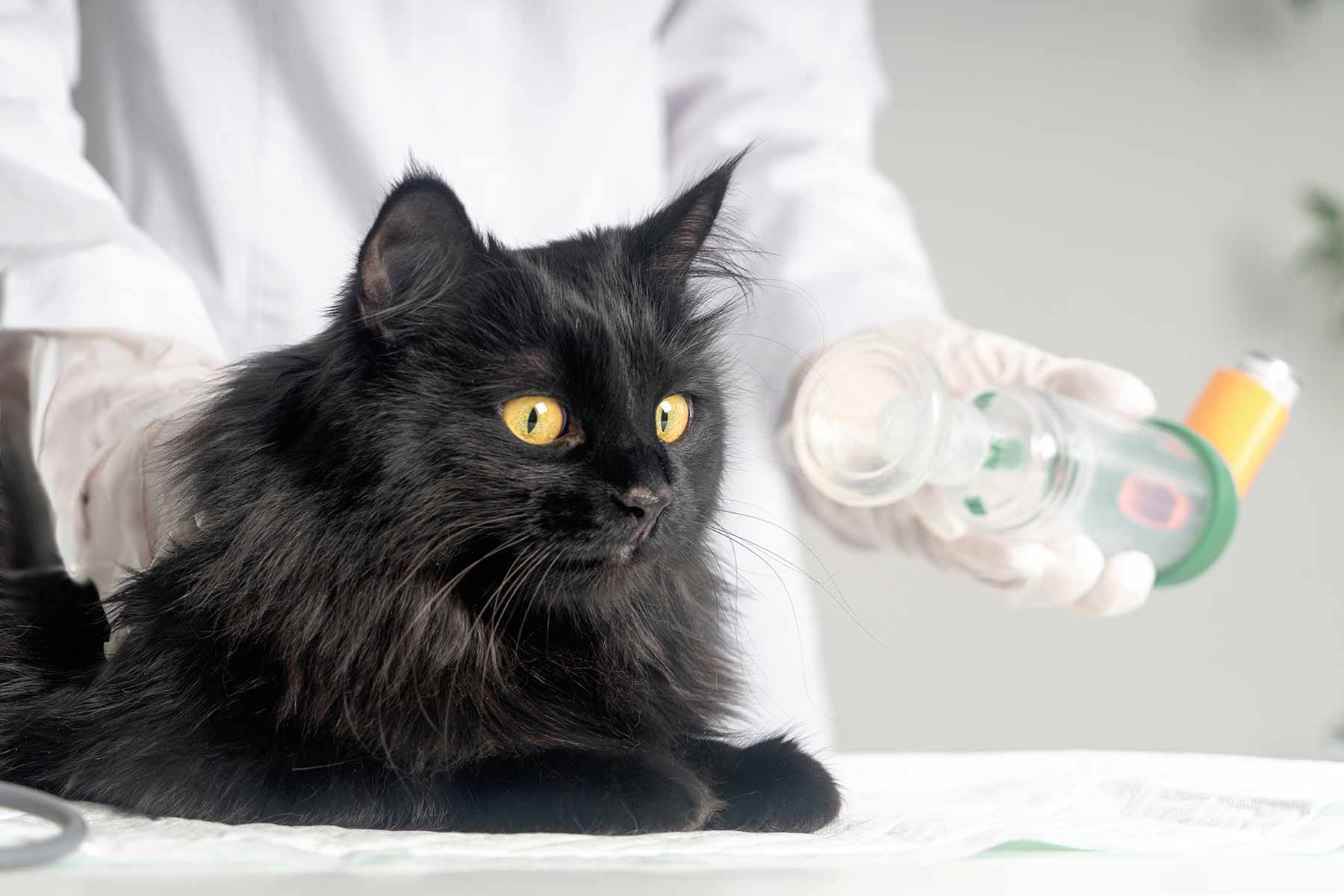
Inhaled corticosteroids are highly effective when used properly. The AeroKat chamber, a reusable device to help you administer the inhaler medication, costs $60 to $100, while the medication itself (like Fluticasone) costs $150 to $250+ per inhaler, depending on the number of doses.
Oral corticosteroids like prednisolone are more budget-friendly at $5 to $20+ per month but may cause more side effects with long-term use.
Bronchodilators (albuterol or terbutaline) for acute episodes cost $20 to $60 per inhaler.
Cortisone injections may provide relief for 4 to 8 weeks at around $70 to $90 per shot.
Cats with mild asthma often require only low-dose, low-cost medication. Those with frequent or severe attacks may need combination therapy, which increases costs but provides better control. Your veterinarian will recommend the best option based on your cat's needs and your budget considerations.
Ask your vet about generic medication options, buying medications in bulk, or using reliable online pet pharmacies to reduce costs. Some veterinary clinics also offer wellness plans that can spread costs throughout the year, making budgeting easier.
Additional costs
Cat parents should also plan for occasional diagnostic retesting, emergency care in case of attacks, and special diets if the vet recommends weight management. An emergency vet visit costs anywhere from $500 to $3,500 depending on the severity of the episode and whether your cat needs intensive treatments or hospitalization.
Long-term management
Caring for a cat with asthma is a long-term commitment that requires ongoing medication and monitoring. While the initial diagnosis and setup costs can be significant, many cat owners find that monthly expenses become more manageable once a treatment routine is established.
With proper management, most cats with asthma live long, happy lives. Many cat owners report that once they establish a treatment routine and identify their cat's triggers, managing asthma becomes second nature. Your cat can still enjoy playtime, cuddles, and all the activities that make life with a feline companion so rewarding.
If your vet prescribes oral medication,it may be helpful to budget a little extra for treats that help hide the taste. Try crushing the pill and mixing it into a creamy treat or hiding it in a soft treat your kitty enjoys.
What causes asthma in cats?
Cat asthma is triggered by airborne irritants and allergens that cause the immune system to overreact. Common triggers include cigarette smoke, household cleaners, dusty cat litter, pollen, mold, and air fresheners.
The exact cause isn't fully understood, but genetics may play a partial role, as certain cats seem predisposed to developing this condition. Environmental factors combined with individual susceptibility lead to the chronic inflammation characteristic of feline asthma.
Cat asthma symptoms
Recognizing asthma symptoms early can lead to faster treatment and better outcomes. Watch for these common signs:
Coughing or wheezing, especially after exercise
Difficulty breathing or rapid breathing
Open-mouth breathing (a serious sign)
Hunched body posture with extended neck when breathing
Lethargy or decreased activity levels
Blue-tinged gums during severe attacks
If you notice any of these symptoms, especially difficulty breathing, contact your veterinarian immediately. Early intervention can prevent severe asthma attacks and improve your cat's quality of life.
How to help a cat with asthma
Managing your cat's asthma involves medical treatment, environmental changes, care, and patience. Work closely with your veterinarian to develop a comprehensive treatment plan that fits your cat's specific needs and your budget.
Environmental modifications can significantly reduce asthma attacks and may even lower long-term medication costs:
Switch to low-dust or dust-free cat litter.
Use unscented, natural cleaning products.
Eliminate cigarette smoke from your home.
Run air purifiers with HEPA filters.
Keep your home free from mold and excessive dust.
Avoid aerosol sprays, incense, and strong fragrances.
Natural treatment for feline asthma
While treating asthma in cats naturally does not replace veterinary care, some complementary approaches may support your cat's respiratory health alongside prescribed medications. Always consult your veterinarian before adding any supplements or making major treatment changes.
Omega-3 supplements: Some cat owners report benefits from omega-3 fatty acid supplements like fish oil or hemp seed oil, which may help reduce inflammation.
Probiotics: Daily probiotic supplements can promote a healthier immune response and support digestive health, which may reduce inflammation.
Diet modification: A hypoallergenic diet that supports the immune system and avoids additives may help reduce instances of asthma attacks.
Stress management: Maintaining a consistent daily routine and providing quiet, safe spaces reduces stress-induced asthma flare-ups.
Herbal support: Herbs such as marshmallow root, slippery elm, mullein, and licorice root are often used to soothe airways and reduce inflammation.
CBD oil: While research is limited, vet-approved, pet-safe CBD products may help ease discomfort and regulate immune system responses.
Hydration: Ensure fresh, clean water is available at all times to help maintain moist airways and overall health.
Remember, natural remedies for feline asthma should complement, not replace, proven medical treatments. Environmental management remains the most effective "natural" approach, and it's often free or low-cost to implement.
FAQs about asthma in cats
How can I tell if my cat has asthma?
The most telling signs of asthma in cats include persistent coughing, wheezing sounds when breathing, and difficulty catching their breath. You might notice your cat sitting in a hunched position with their neck extended, breathing with their mouth open during episodes.
However, only a veterinarian can definitively diagnose asthma through physical examination and diagnostic tests. If you suspect your cat may have asthma, schedule an appointment rather than waiting for symptoms to worsen.
What does cat asthma sound like?
Cat asthma typically produces a wheezing or whistling sound during breathing, particularly during exhaling. Some cats make a raspy, congested sound, while others may have noticeable difficulty breathing without much audible wheezing.
During severe attacks, you might hear labored breathing or gasping. Any unusual respiratory sounds warrant a veterinary visit, as they could indicate asthma or other serious conditions.
How often do cats have asthma attacks?
The frequency of asthma attacks varies greatly between cats. Some cats have attacks daily or weekly, while others experience them only monthly or during specific seasons when allergens are prevalent.
With proper treatment and trigger management, many cats go months or even years without serious attacks. Consistent medication adherence and environmental control are key to reducing attack frequency.
Does pet insurance cover cat asthma treatment?
Most pet insurance policies cover cat asthma treatment if the condition develops after your policy begins. However, pre-existing conditions are typically excluded, so it's wise to get insurance while your cat is young and healthy.
Coverage usually includes diagnostic tests, medications, emergency treatment, and follow-up visits. Always review your specific policy details and consider adding a wellness plan for routine care related to asthma management.
Questions to ask your veterinarian
To help you understand your cat's condition and make informed decisions about treatment options, ask your vet these important questions:
What severity level is my cat's asthma, and what's the long-term prognosis?
Which treatment option do you recommend, and what are the alternatives?
What's the expected inhaler cost versus oral medications?
How quickly should I see improvement with treatment?
What emergency signs require immediate veterinary care?
Are there ways to reduce the cost of cat asthma treatment without compromising care?
How often will my cat need follow-up appointments?
Can you recommend specific environmental changes for my home?
When to seek emergency care
Knowing when asthma becomes an emergency can save your cat's life. Seek immediate veterinary attention if your cat shows blue or pale gums, can't breathe while lying down, has severe difficulty breathing, or becomes unresponsive during an attack.
Emergency treatment typically costs more than regular care, but it's essential when your cat's life is at risk. Having an emergency fund or pet insurance can provide peace of mind and ensure your cat gets immediate care when needed.
Using our proprietary cost database, in-depth research, and collaboration with industry experts, we deliver accurate, up-to-date pricing and insights you can trust, every time.