
How much does a cat blood transfusion cost?
How much does a cat blood transfusion cost?
$800 – $2,800 average total cost

Average cat blood transfusion cost
A cat blood transfusion costs $800 to $2,800 on average. The total cost depends on the type and amount of blood needed, the veterinary provider, your location, and whether your cat requires emergency care, additional diagnostic tests, or an extended hospital stay.
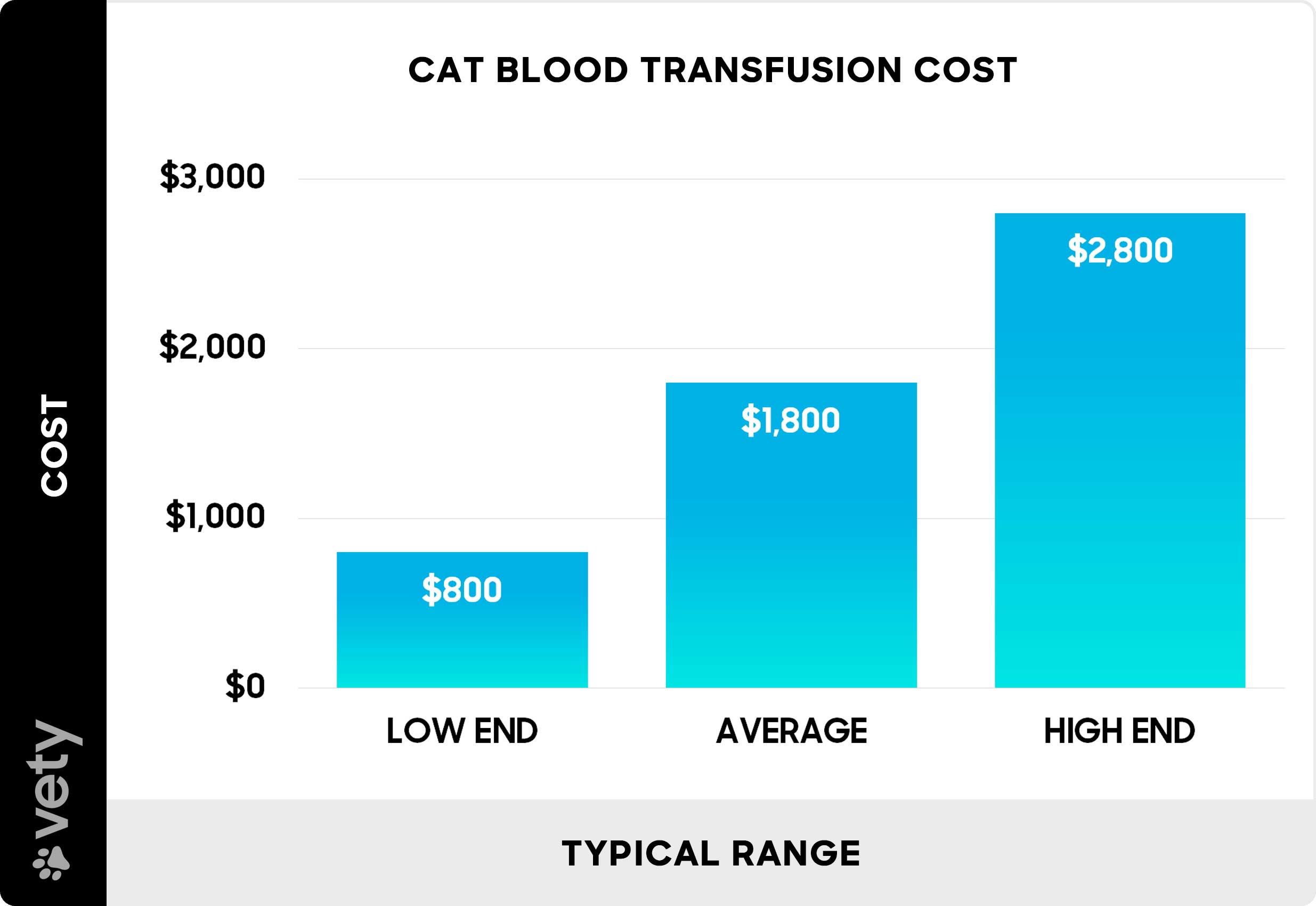
| National Average Cost | $1,800 |
| Minimum Cost | $500 |
| Maximum Cost | $6,000 |
| Average Range | $800 to $2,800 |
What is a cat blood transfusion?
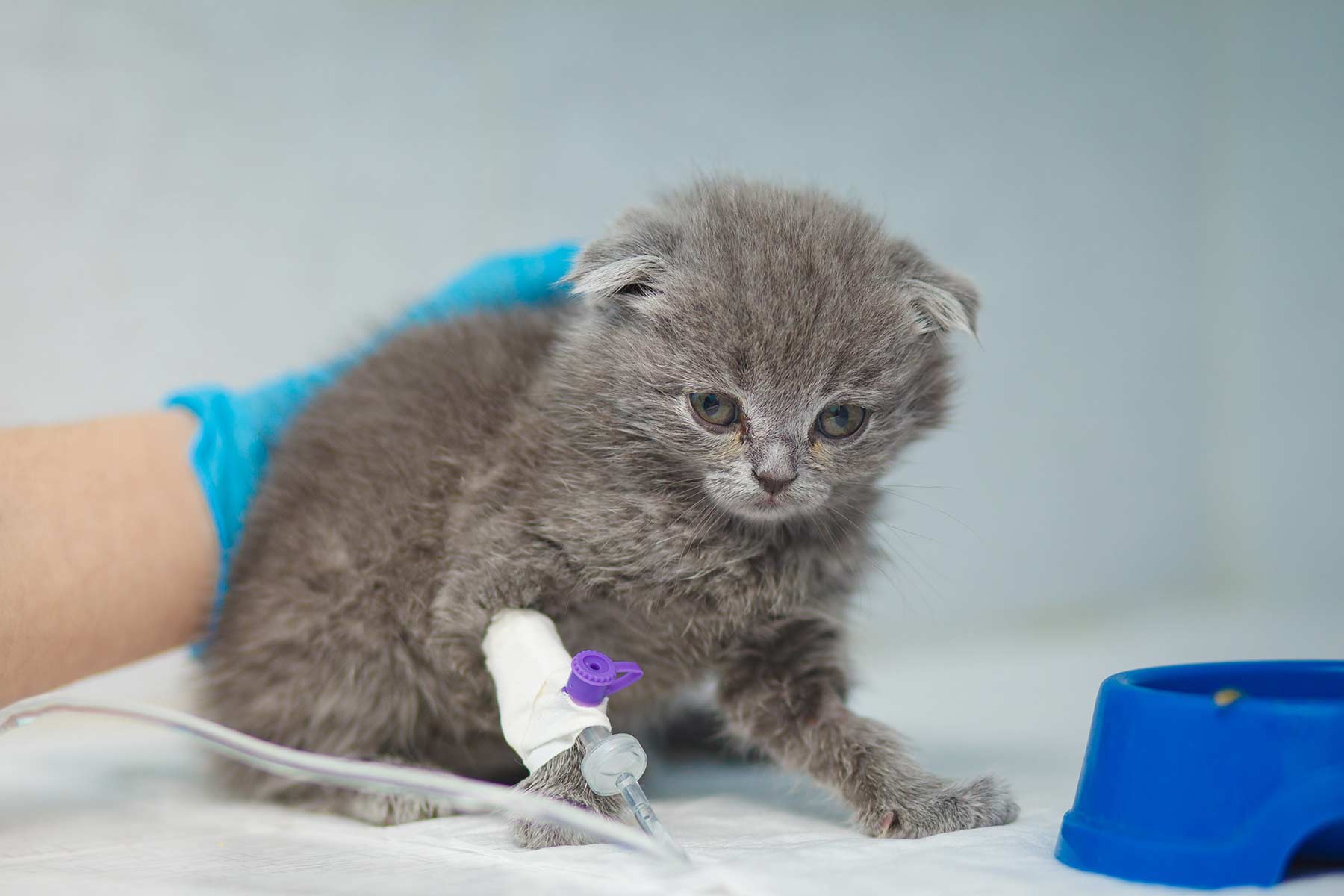
A cat blood transfusion is a life-saving medical procedure where blood or blood products are transferred from a donor cat to a recipient cat. This process helps replace lost blood, improve oxygen delivery to tissues, and restore essential clotting factors.
Your veterinarian will administer the blood slowly through an intravenous catheter while closely monitoring your cat for any adverse reactions. The procedure may also involve careful blood typing and crossmatching to ensure compatibility between donor and recipient.
Your cat may need to stay hospitalized for 12 to 48 hours for monitoring, depending on their condition and how they respond to the transfusion.
Why would a cat need a blood transfusion?
Cats may need blood transfusions for various medical emergencies or health conditions:
Trauma: Severe injuries from accidents, falls, or attacks can cause significant blood loss requiring immediate transfusion.
Surgery: Major surgical procedures may result in blood loss that necessitates transfusion to maintain healthy blood volume.
Anemia: Severe anemia from chronic disease, parasites, or autoimmune disorders can deplete red blood cells to dangerous levels.
Bleeding disorders: Conditions like hemophilia or ingestion of rat poison can prevent proper blood clotting and cause life-threatening bleeding.
Bone marrow disease: Cancers or diseases affecting the bone marrow can impair the body's ability to produce new blood cells.
Kidney disease: Chronic kidney disease often leads to anemia as the kidneys fail to produce adequate erythropoietin, a hormone that stimulates red blood cell production.
Other conditions: Immune-mediated hemolytic anemia, severe infections, and certain cancers may also require blood transfusions.
Do cats have blood types?
Yes, cats have different blood types. The three major blood types are A, B, and AB. Over 90% of cats in the U.S. have blood type A. Some breeds like British Shorthairs and Devon Rex cats have higher rates of type B blood, making blood typing especially important for these cats.
Cats naturally have antibodies against other blood types, making crossmatching essential. Giving incompatible blood can trigger severe, potentially fatal reactions.
What affects the cost of a blood transfusion in cats?
Several factors influence the total cost of a blood transfusion for a cat, including the blood type, amount required, testing needed, and more:
Type of blood: Whole blood transfusions are typically less expensive than specialized products like plasma or packed red blood cells, though the specific needs of your cat's condition will determine which type is necessary.
Amount of blood needed: The volume of blood required directly impacts cost. Larger cats or those with severe blood loss will need more blood, increasing the overall expense.
Crossmatching and blood typing: These essential tests ensure compatibility between donor and recipient blood to prevent reactions.
Hospitalization or care needed: Emergency transfusions often cost more due to after-hours fees and intensive monitoring. Extended hospital stays for stabilization and recovery will add to the total bill.
Location: Veterinary costs vary significantly by region. Vets in urban areas typically charge more than those in rural general practices.
Veterinary provider: Emergency animal hospitals charge higher rates than general practice veterinarians but usually have staff available 24/7.
Does pet insurance cover blood transfusions?
Most comprehensive pet insurance policies cover blood transfusions when they're medically necessary to treat an illness or injury. However, coverage depends on your specific policy, deductible, and whether the underlying condition is pre-existing.
It's important to review your policy details carefully. Some plans may have waiting periods or exclude certain conditions. If possible, contact your insurance provider before the procedure to verify coverage and understand your out-of-pocket costs.
Feline blood transfusion FAQs
What are the risks of a cat blood transfusion?
While cat blood transfusions are generally safe, risks include transfusion reactions, which can range from mild fever and lethargy to severe complications like difficulty breathing or collapse. Allergic reactions may occur if the blood isn't properly matched.
Other risks include volume overload in cats with heart conditions, transmission of blood-borne diseases, shock, septicemia, and delayed reactions that appear days or weeks after the transfusion. Your veterinarian will monitor your cat closely during and after the procedure to catch any problems early.
What are the side effects of a cat blood transfusion?
Common side effects are usually mild and may include slight fever, lethargy, or decreased appetite for 24 to 48 hours after the transfusion.
More serious side effects requiring immediate attention include vomiting, difficulty breathing, weakness, pale gums, dark urine, or jaundice. If you notice any of these symptoms, contact your veterinarian immediately as they may indicate a transfusion reaction.
Where does cat blood for infusions come from?
Cat blood comes from donor cats that meet specific health requirements. Many veterinary hospitals and blood banks maintain a roster of healthy donor cats whose owners volunteer them for regular blood donations.
Official blood donor programs require extensive screening including FeLV, FIV, heartworm testing, blood parasites, CBC, physical exams, and up-to-date vaccines and have strict eligibility requirements regarding age, weight, and an indoor-only lifestyle.
Questions to ask your veterinarian
Ask your veterinarian these important questions to ensure you understand the procedure, the reasons for it, and the risks involved:
Why does my cat need a blood transfusion?
Are there alternative treatments available?
What is my cat's blood type, and how will you ensure the donor blood is compatible?
What are the specific risks for my cat given their age, health status, and underlying condition?
How long will the transfusion take?
What kind of monitoring will my cat receive during and after?
What signs of complications should I watch for at home, and when should I seek emergency care?
Will my cat need multiple transfusions?
What is the long-term prognosis?
What is the itemized cost breakdown, and does this include all associated testing and hospitalization fees?
When to seek emergency care
Seek immediate veterinary attention if your cat shows signs of severe blood loss or anemia. Warning signs include pale or white gums, extreme lethargy or collapse, rapid breathing or panting, cold extremities, and weakness or inability to stand.
Other emergencies include visible bleeding that won't stop after 5 to 10 minutes of pressure, blood in vomit or stool, sudden abdominal swelling, or any trauma from accidents or animal attacks. Time is critical in these situations. Don't wait to see if symptoms improve.
Using our proprietary cost database, in-depth research, and collaboration with industry experts, we deliver accurate, up-to-date pricing and insights you can trust, every time.