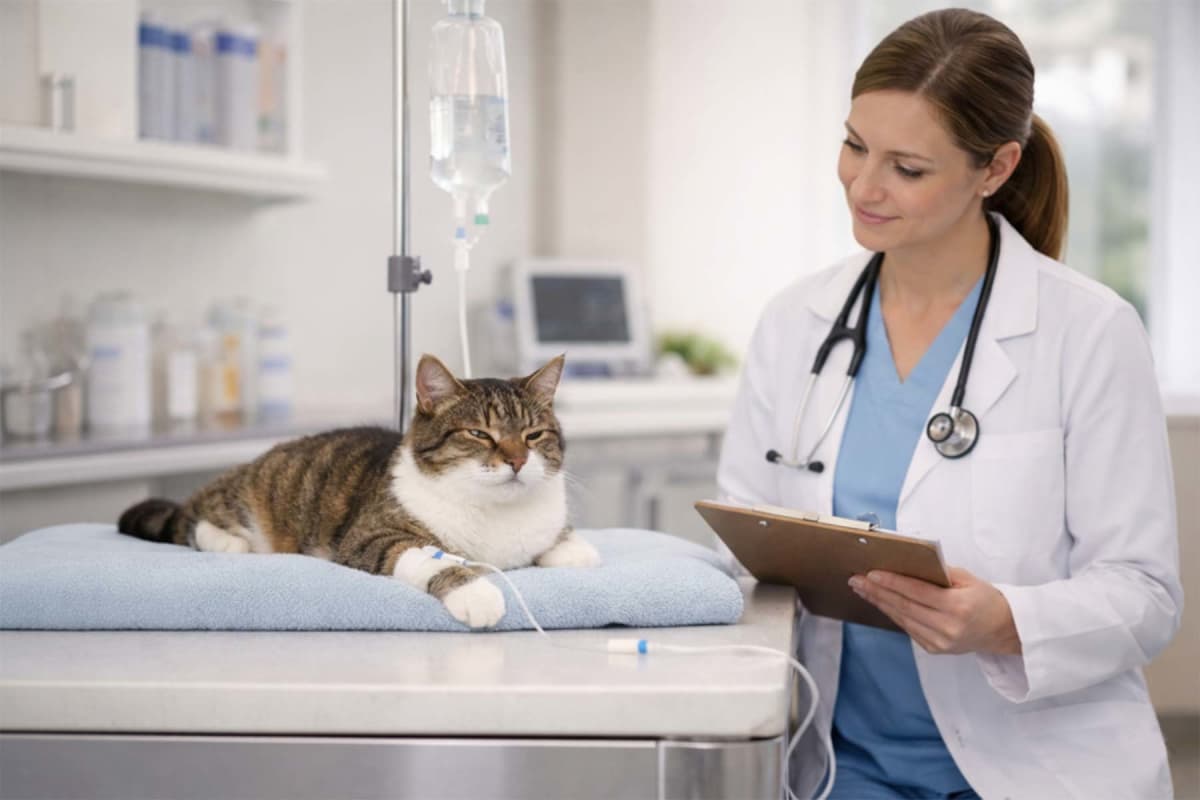
How much does cat chemotherapy cost?
How much does cat chemotherapy cost?
$150 – $600 average cost per dose
$2,000 – $5,000 average total cost

Average cat chemotherapy cost
Learning your cat has cancer is devastating, but chemotherapy can give your beloved companion more quality time. Cat chemotherapy costs vary based on the type of cancer and treatment plan, with most owners paying $150 to $600 per dose and $2,000 to $5,000 for the total course of treatment.
| National Average Cost | $3,500 |
| Minimum Cost | $1,500 |
| Maximum Cost | $7,000 |
| Average Range | $2,000 to $5,000 |
What is cat chemotherapy?
Chemotherapy uses powerful medications to kill cancer cells or slow their growth. The treatment works by targeting rapidly dividing cells throughout your cat's body. These drugs interfere with cancer cells' ability to multiply and spread to other organs.
Veterinary chemotherapy differs from human cancer treatment in important ways. The goal for cats is to extend life and maintain quality of life rather than achieve complete cure. Doses are carefully calibrated to minimize side effects while still being effective against cancer. Unlike humans, most cats tolerate chemotherapy well with minimal side effects.
Common cancers in cats
Chemotherapy effectively treats several types of feline cancers:
Lymphoma: The most common cancer in cats, affecting the lymph nodes, intestines, or other organs
Leukemia: Cancer of the blood cells and bone marrow
Mammary gland tumors: Breast cancer that can spread to other areas
Mast cell tumors: Skin tumors that may require chemotherapy if they spread
Soft tissue sarcomas: Tumors in muscles, fat, or connective tissue
Squamous cell carcinoma: Often affects the mouth, nose, or skin
What affects the cost of chemotherapy for cats?
Several factors can impact the cost of your cat's chemotherapy treatment. Ask your vet about these details to help you make the right decision for your pet.
Cancer type & location
The type, stage, and location of your cat's cancer all play a major role in chemotherapy costs. Common cancers like lymphoma are often less expensive to treat than rare or aggressive types that require specialized protocols.
Cancers that have spread typically need more intensive care than localized tumors, increasing overall expenses. In addition, tumors in hard-to-reach areas may require more complex treatment approaches, and some locations respond better to chemotherapy than others, which can affect how many treatments are needed and the total cost of care.
Number of chemo treatments needed
Most cats need multiple chemotherapy sessions over weeks or months. More treatment sessions naturally increase the total cost.
Type of cat chemotherapy
Chemotherapy comes in three different forms. Your veterinarian will recommend the most effective chemotherapy method based on your cat's specific cancer. Some cats need just one drug delivery method, while others benefit from a combination approach for maximum effectiveness against their cancer.
Intravenous (IV) infusions are the most common method, where medication enters directly into the bloodstream through a vein. Each session takes 30 minutes to several hours at your vet's office.
Oral medications include pills or liquids you give at home. This convenient option costs less but requires consistent administration and may not work for all cancer types.
Injections are medications administered under the skin or into muscles. These quick treatments often happen during regular vet visits.
For feline lymphoma, one of the most common treatment approaches is CHOP therapy, which combines four different chemotherapy drugs given in a specific sequence over several weeks. This protocol has proven highly effective, with many cats achieving remission and experiencing minimal side effects during treatment.
Additional feline chemotherapy costs
Chemotherapy is only one part of your cat's cancer treatment. Keep these other potential costs in mind:
Initial consultation with a veterinary oncologist: If your veterinarian suspects your cat has cancer, they'll likely refer you to a veterinary oncologist — a specialist trained to diagnose and treat cancer in animals. An initial consultation costs $150 to $250+.
Blood work: Your cat may need blood tests several times throughout the course of treatment. The average cost of blood work for a cat is $50 to $200.
Diagnostic tests: Your veterinarian will typically order diagnostic tests to confirm the cancer diagnosis and monitor the treatment.
A cat X-ray costs $100 to $250 per image.
A CT scan for cats costs $1,000 to $2,500.
A cat ultrasound costs $200 to $600.
A biopsy costs $50 to $200 for a fine needle aspiration (FNA) for tissue near the surface of the skin or $300 to $900+ for areas deeper in the body.
Additional medications: Your cat may also need other medications to manage pain, nausea, and infection prevention during chemotherapy. These medications can add $25 to 100 to the total cost.
Benefits of cat chemotherapy
Chemotherapy can help extend your cat's life while keeping them comfortable. In many cases, it slows the growth of cancer, shrinks tumors, and reduces symptoms like pain, appetite loss, or breathing difficulties.
For some cats, chemotherapy can even lead to partial or full remission, giving them more good days with the people who love them.
Risks of cat chemotherapy
While chemotherapy can be helpful, it does come with risks. Every cat responds differently, and some may not tolerate certain drugs well. There's also no guarantee that treatment will be effective, especially with aggressive or advanced cancers.
More serious risks include lowered white blood cell counts, making your cat vulnerable to infections. Kidney or liver problems can occur with certain medications. Your veterinary oncologist will weigh these risks against the potential benefits for your individual cat.
Cat chemotherapy side effects
Some cats may experience temporary side effects during chemotherapy treatment. Most side effects are manageable and resolve quickly after each treatment session. These can include:
Mild nausea
Decreased appetite
Diarrhea
Lethargy or fatigue
Hair loss is rare in cats, though whiskers may become brittle. Some cats experience increased thirst or urination.
Unlike human chemotherapy, veterinary treatment is designed with quality of life as the top priority, so doses are typically gentler and better tolerated. Your vet will monitor your cat closely and can prescribe medications to minimize discomfort if needed.
Alternatives to cat chemotherapy
If chemotherapy isn't right for your cat, your veterinarian may recommend other treatments to help manage their cancer:
Surgery removes tumors that haven't spread to other areas. This works well for localized cancers and may be combined with chemotherapy to prevent recurrence.
Radiation therapy uses targeted energy beams to shrink tumors or eliminate cancer cells. It's particularly effective for cancers in areas difficult to operate on, like the nasal cavity or brain. Radiation typically requires multiple sessions over several weeks.
Cryotherapy freezes small tumors using liquid nitrogen. This minimally invasive option works best for certain skin cancers and small oral tumors. Recovery time is usually quick with minimal discomfort.
Steroid treatment uses medications like prednisolone to slow cancer growth and reduce symptoms. While not curative, steroids can improve your cat's quality of life and may be combined with other treatments or used for palliative care.
Palliative care focuses on keeping your cat comfortable when curative treatment isn't possible. This includes pain management, nutritional support, and treating symptoms to maximize quality of life.
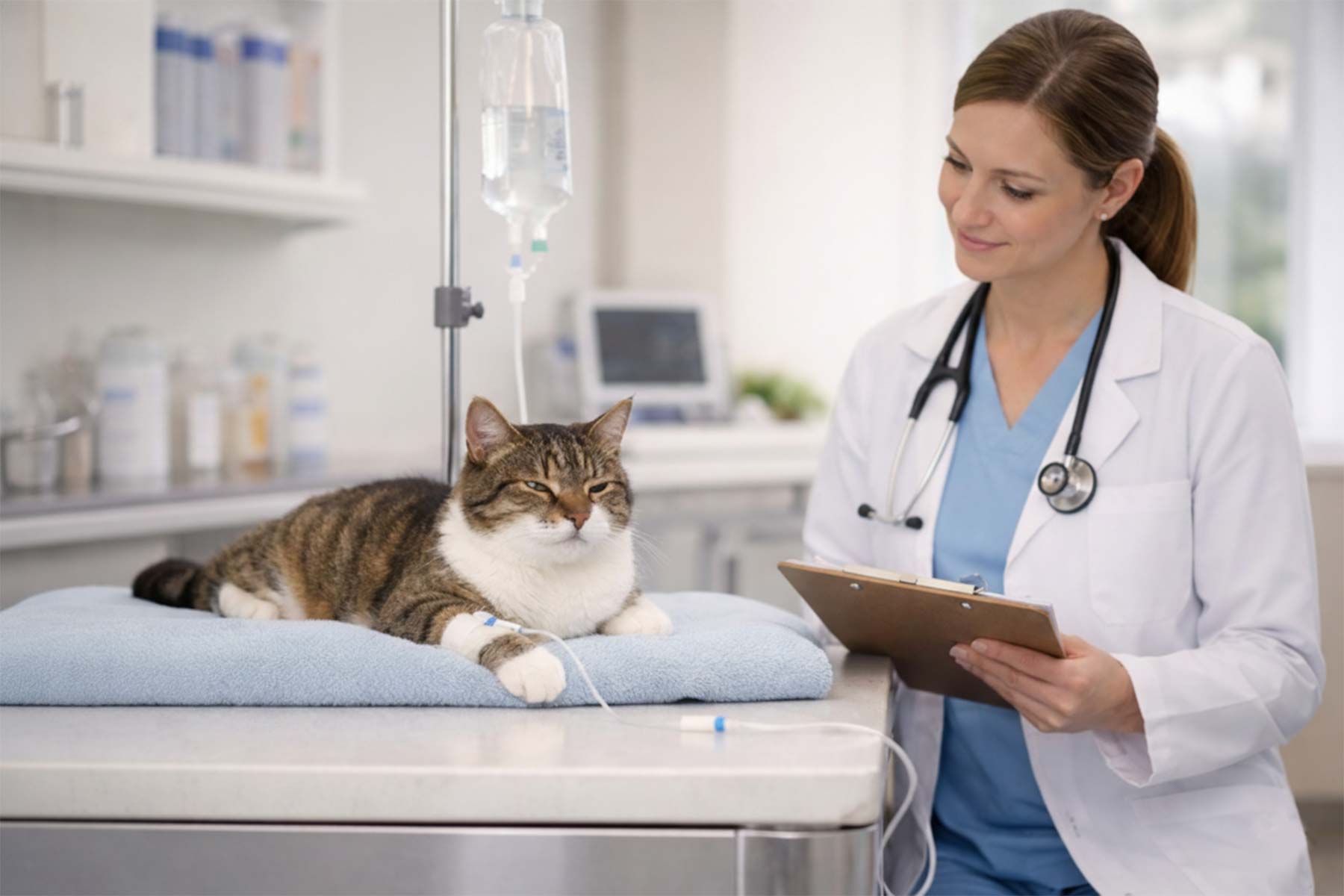
Cat chemotherapy FAQs
Does pet insurance cover cat chemotherapy?
Many pet insurance plans cover the cost of chemotherapy for cats, unless the condition was pre-existing. However, coverage varies by insurance provider and plan, and some companies only cover chemotherapy as part of an add-on policy.
Pet insurance for cats costs $15 to $50 per month. Most insurance companies require you to pay your vet up front for the chemotherapy and submit a claim for reimbursement.
Is it worth putting a cat through chemotherapy?
This deeply personal decision depends on your cat's individual situation, age, overall health, and type of cancer. Many cats respond well to chemotherapy with minimal side effects, gaining months or years of quality life.
Consider your cat's current quality of life and what the veterinary oncologist expects for their prognosis. Some cancers respond exceptionally well to treatment, while others are more aggressive. Financial considerations also play a role in this difficult choice.
Talk honestly with your veterinarian about realistic outcomes and what daily life will look like during treatment. They can help you make the most compassionate decision for your beloved companion.
Is chemotherapy painful for cats?
Chemotherapy itself is not painful for cats. The IV insertion may cause brief discomfort similar to a vaccine injection, but the medication administration doesn't hurt. Most cats remain calm during their treatments.
Side effects vary by individual and medication type. Some cats feel tired or mildly nauseous, but severe pain is uncommon. Your vet can prescribe medications to manage any discomfort your cat experiences.
The goal is always to improve your cat's quality of life, not diminish it. If chemotherapy causes significant distress, your veterinary team will adjust the treatment protocol or explore alternative options.
Questions to ask your veterinarian
Ask your vet these important questions to ensure you understand the reasons for chemotherapy, the risks, and potential alternatives for treatment:
What type of cancer does my cat have, and what is the stage or grade?
What are the treatment goals — cure, remission, or symptom management?
What is the expected prognosis with and without chemotherapy?
Which chemotherapy protocol do you recommend and why?
How many treatment sessions will my cat need, and how long will treatment last?
What are the most common side effects of this specific chemotherapy drug?
What is the plan if my cat experiences severe side effects?
What warning signs should I watch for at home between treatments?
How will we monitor my cat's response to treatment?
What happens if my cat doesn't respond to chemotherapy?
How will chemotherapy affect my cat's daily life and routine?
Are there dietary changes or supplements that might help during treatment?
What is the total estimated cost, including all associated expenses?
Using our proprietary cost database, in-depth research, and collaboration with industry experts, we deliver accurate, up-to-date pricing and insights you can trust, every time.